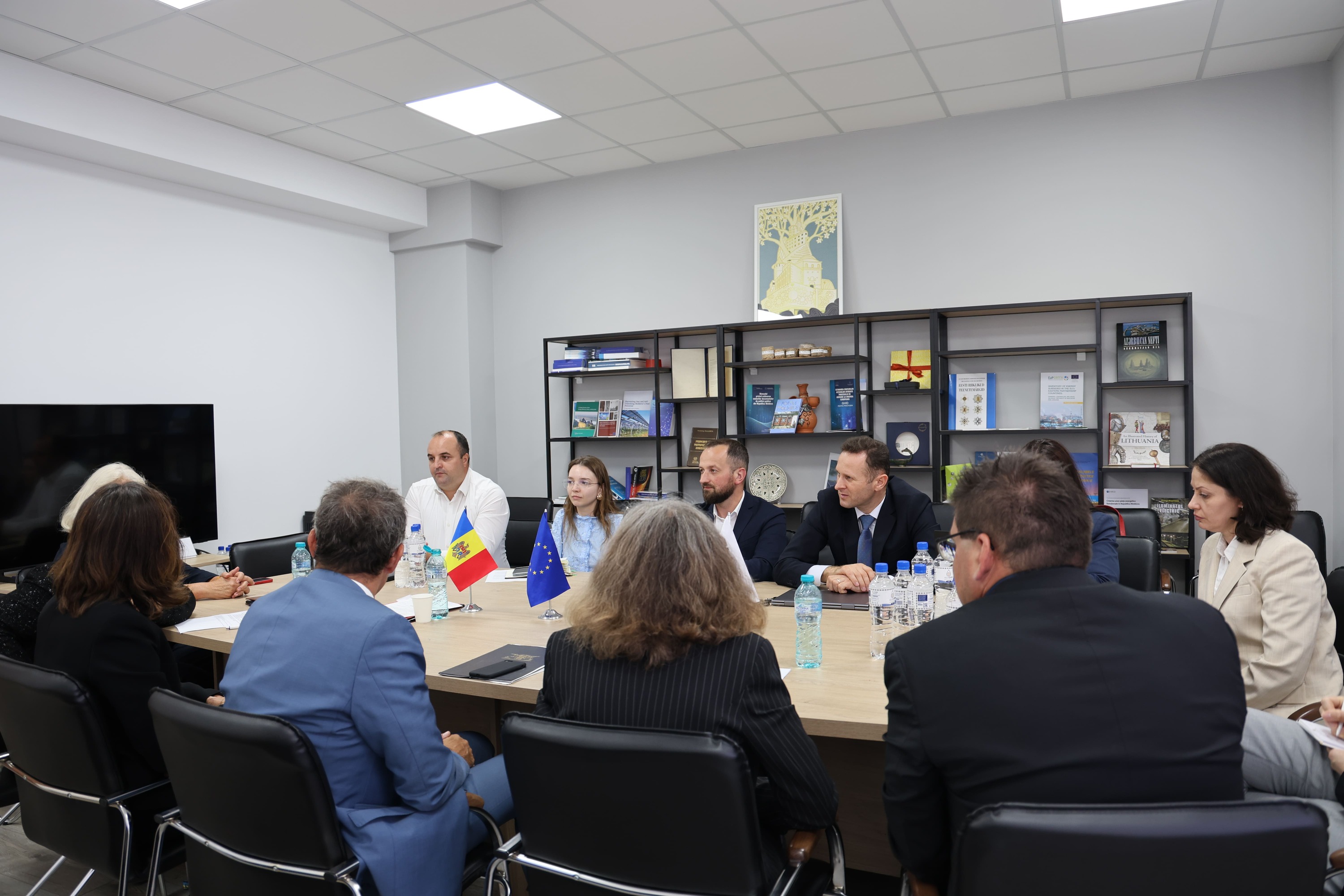
CNED and KEA-BW strengthen Moldova-Germany cooperation on sustainable energy by signing a Memorandum of Understanding
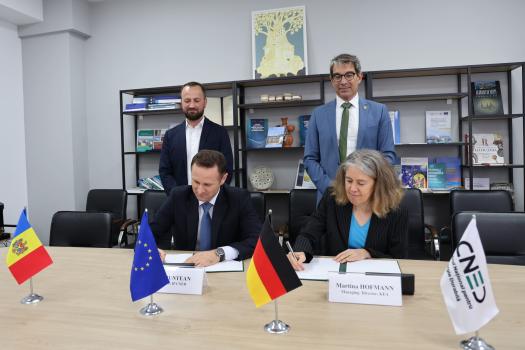
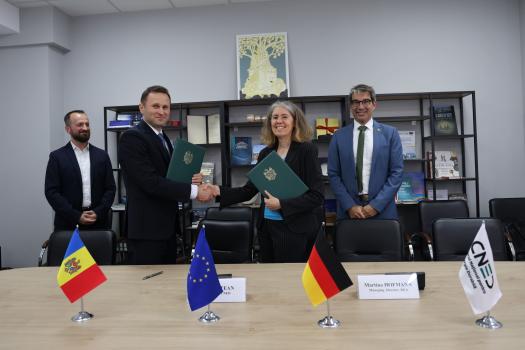
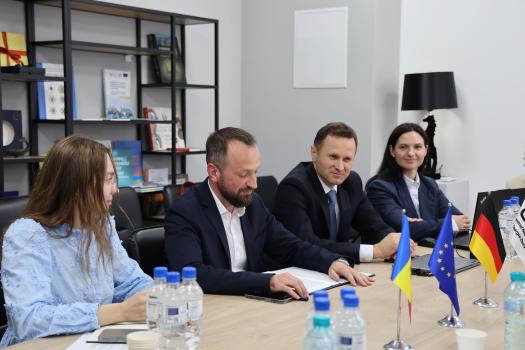
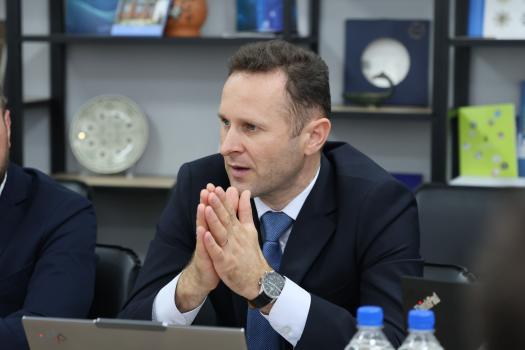
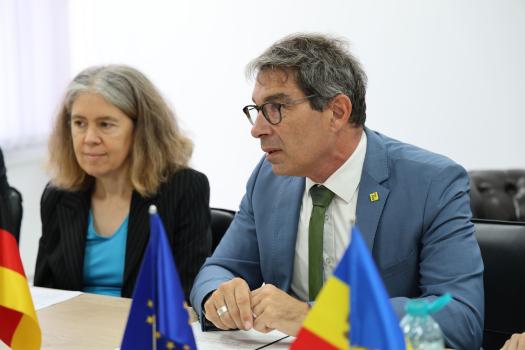
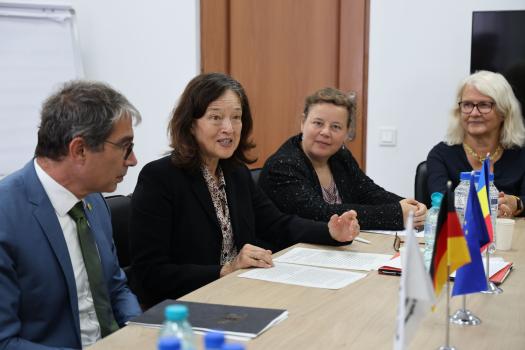
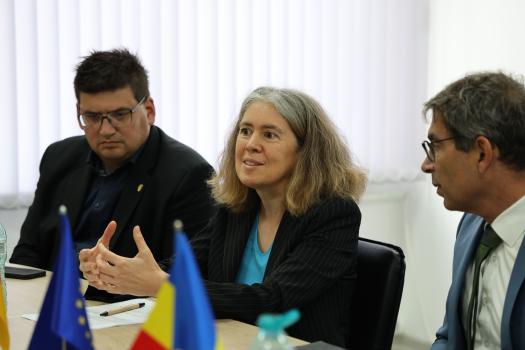
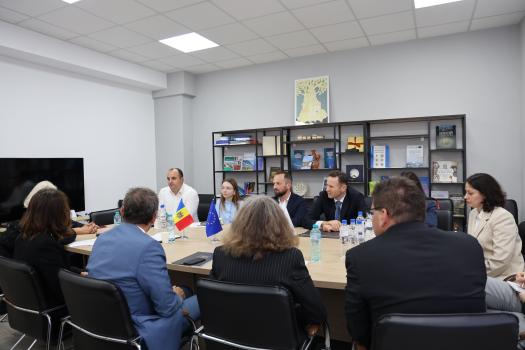
24 September 2026, Chisinau – The National Centre for Sustainable Energy (CNED) and the Climate and Energy Agency of Baden-Württemberg (KEA-BW) are strengthening their cooperation through the signing of a Memorandum of Understanding, establishing a new framework for collaboration.
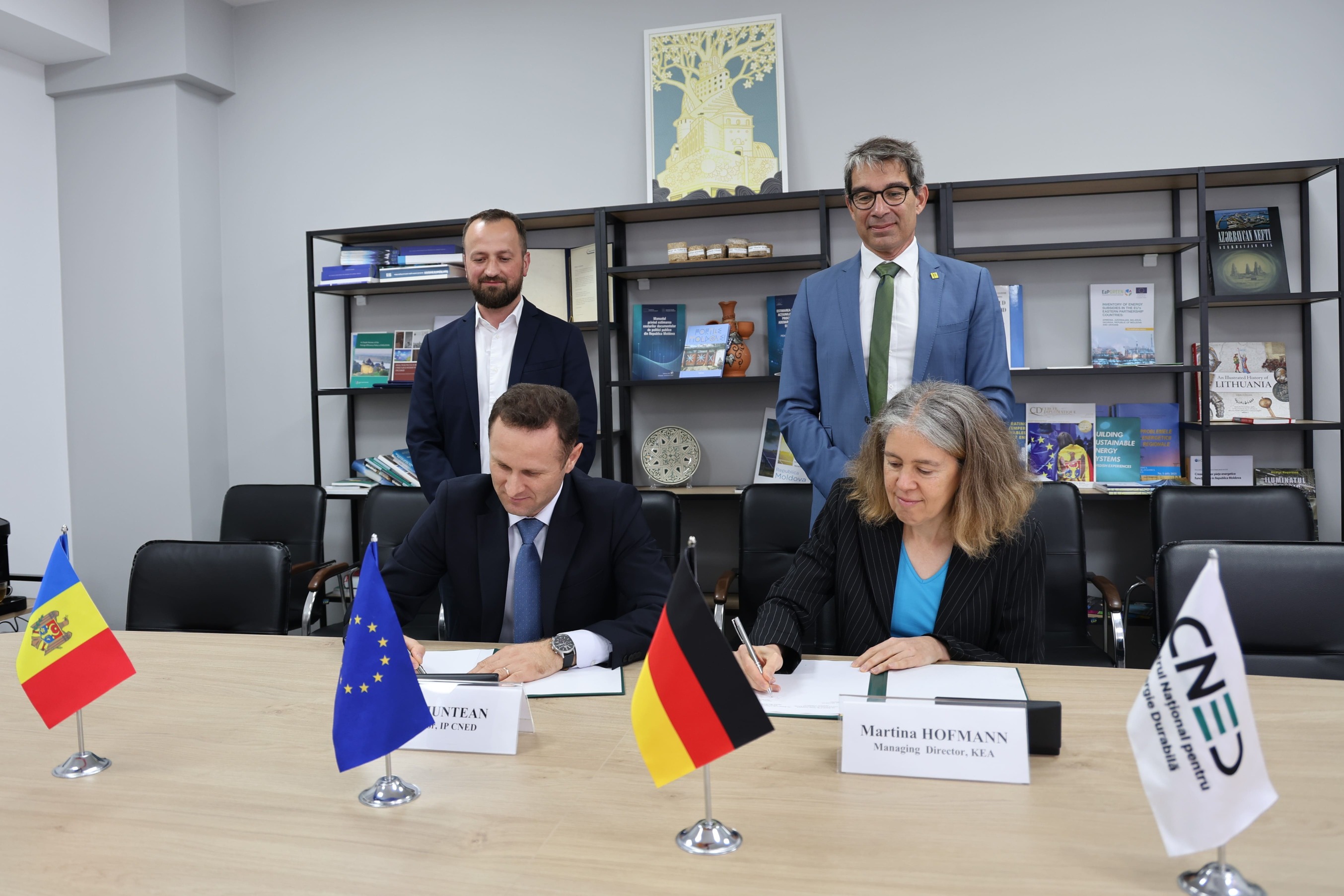
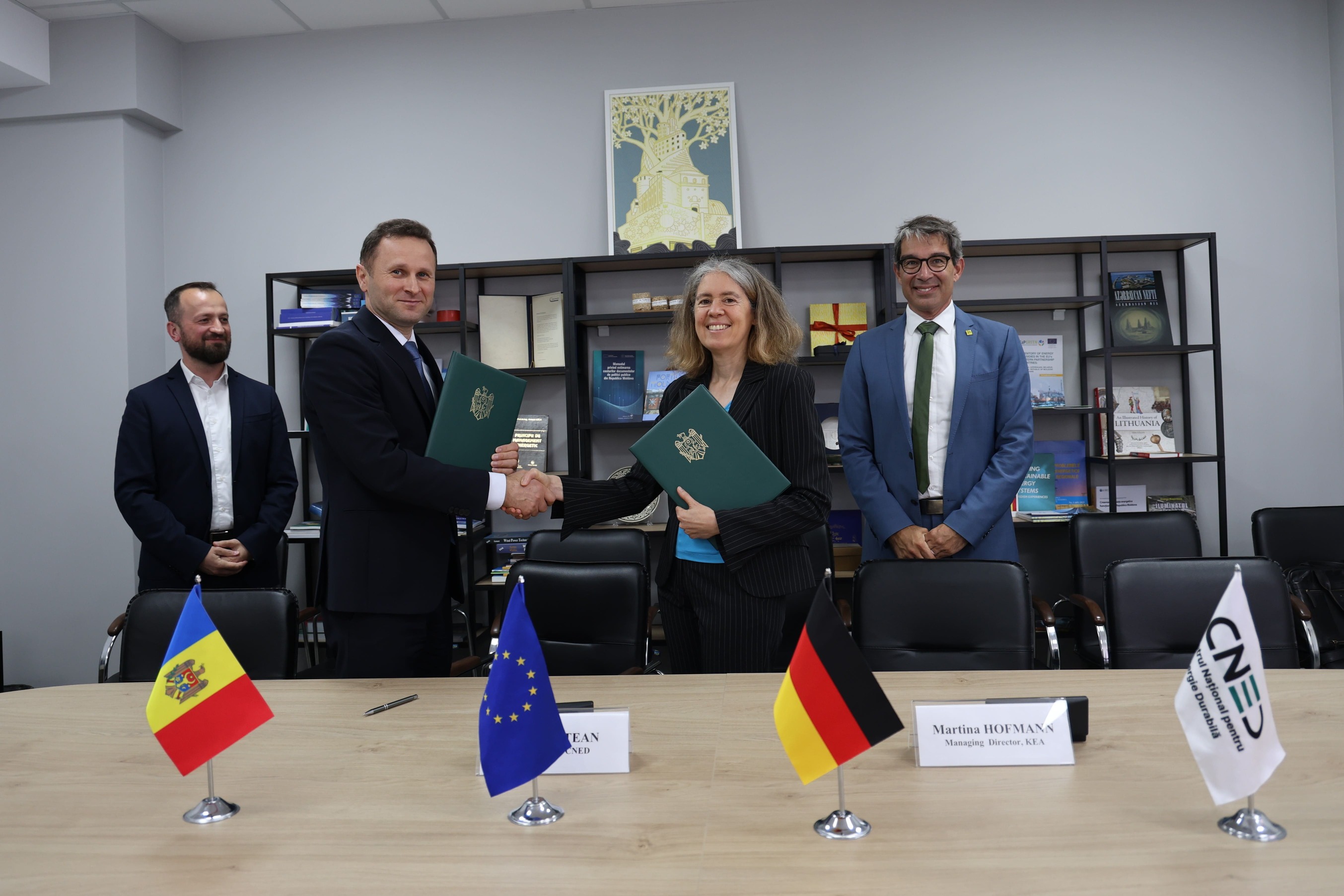
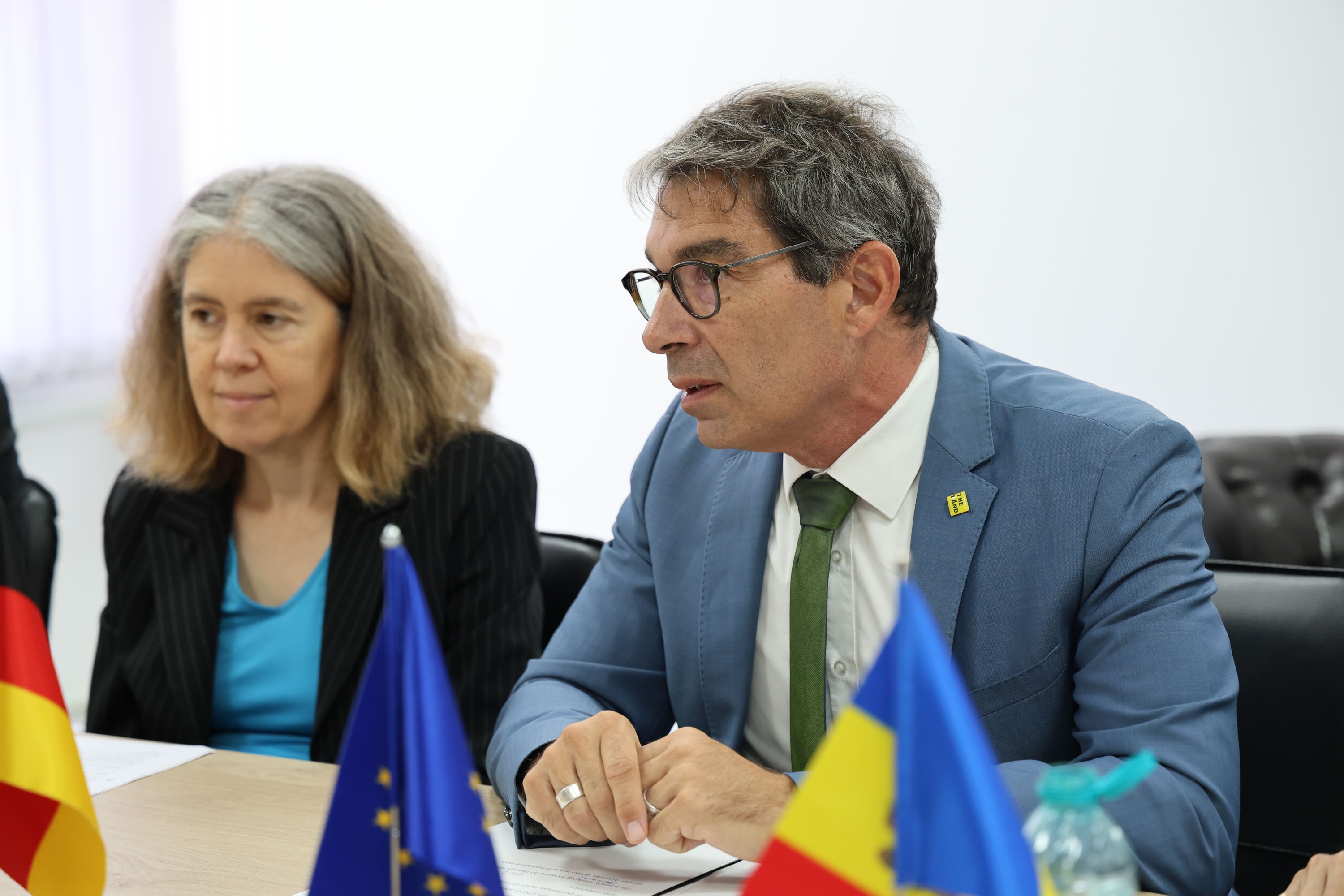
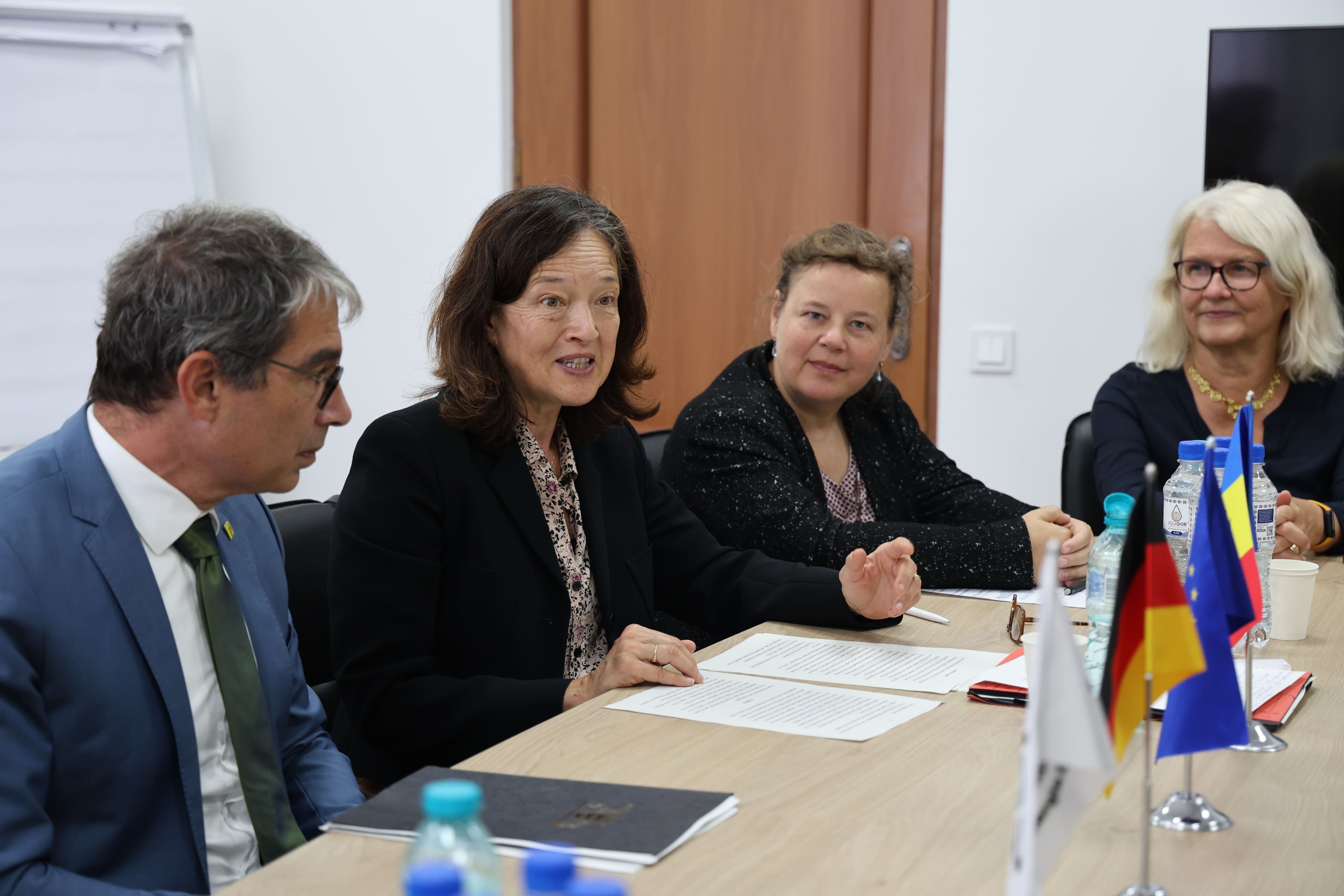
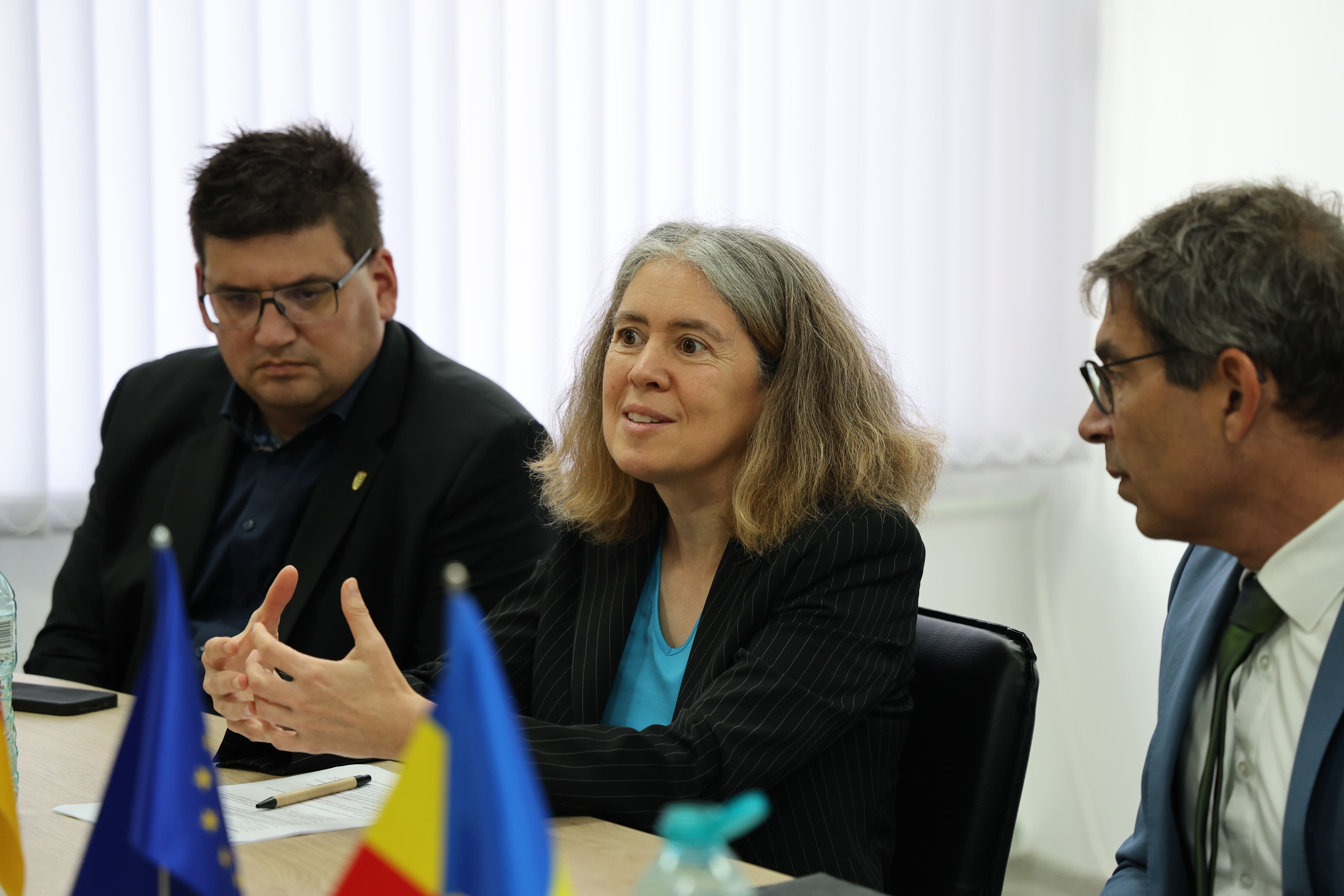
The Memorandum of Understanding was signed by Ion Muntean, Director of CNED, and Prof. Dr.-Ing. Martina Hofmann, Executive Director of KEA-BW, during the closing event of the institutional partnership launched two years ago between the National Centre for Sustainable Energy, the Ministry of Energy of the Republic of Moldova, the Federal Ministry for Economic Affairs and Climate Action of the Federal Republic of Germany, and the Ministry of the Environment, Climate Protection and the Energy Sector of Baden-Württemberg.
The event marked the completion of the cooperation phase launched in 2024 and opened a new stage in the collaboration between CNED and KEA-BW. The partnership facilitated the exchange of experience and transfer of expertise in energy efficiency and building performance, including in areas such as municipal energy management, local heat planning and decarbonisation of the heating sector.
Through the signing of the Memorandum of Understanding, CNED and KEA-BW aim to strengthen interinstitutional cooperation and leverage European experience and good practices in energy efficiency policies and projects in the Republic of Moldova. The two institutions will also develop joint initiatives to support the energy transition at both national and local levels.
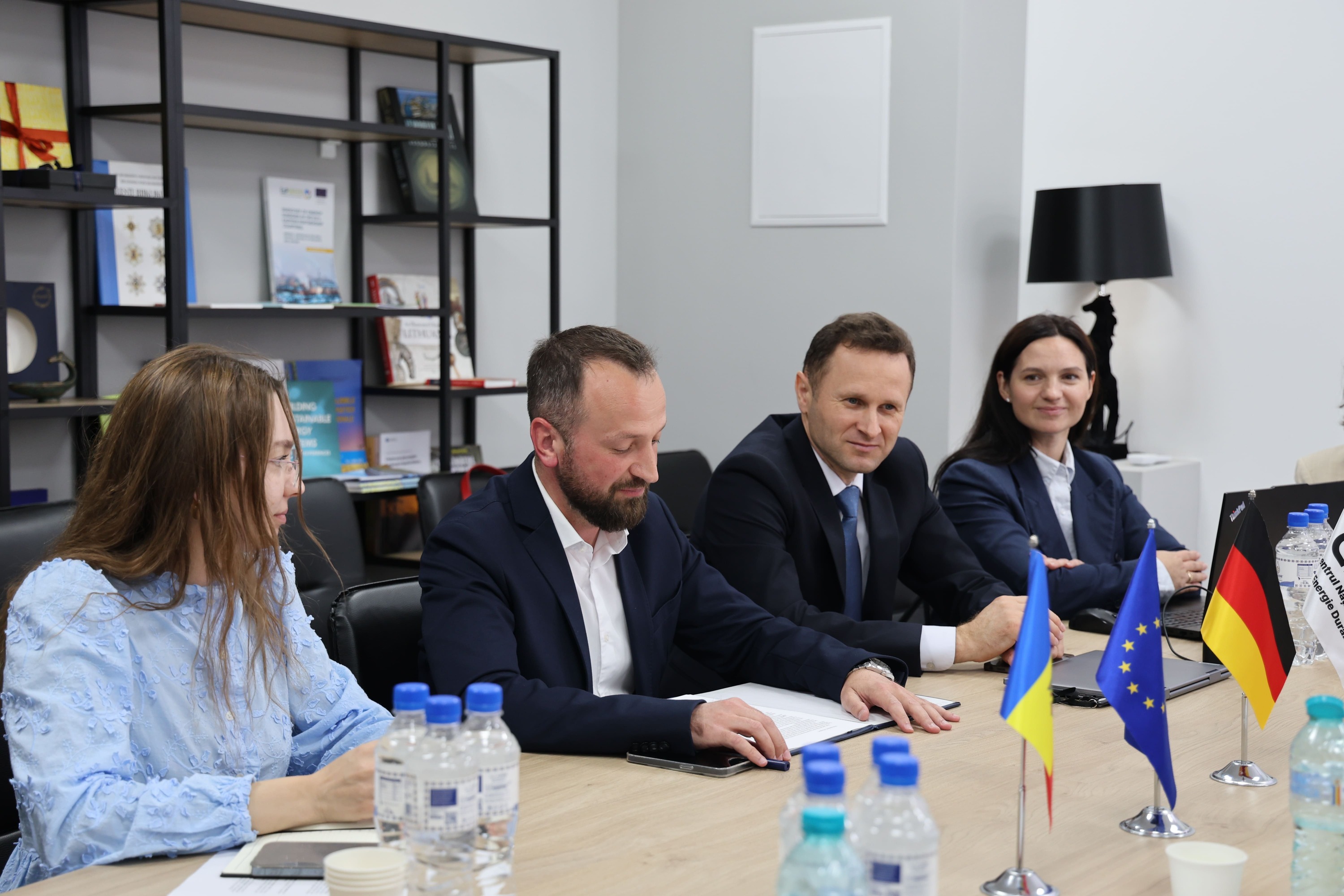
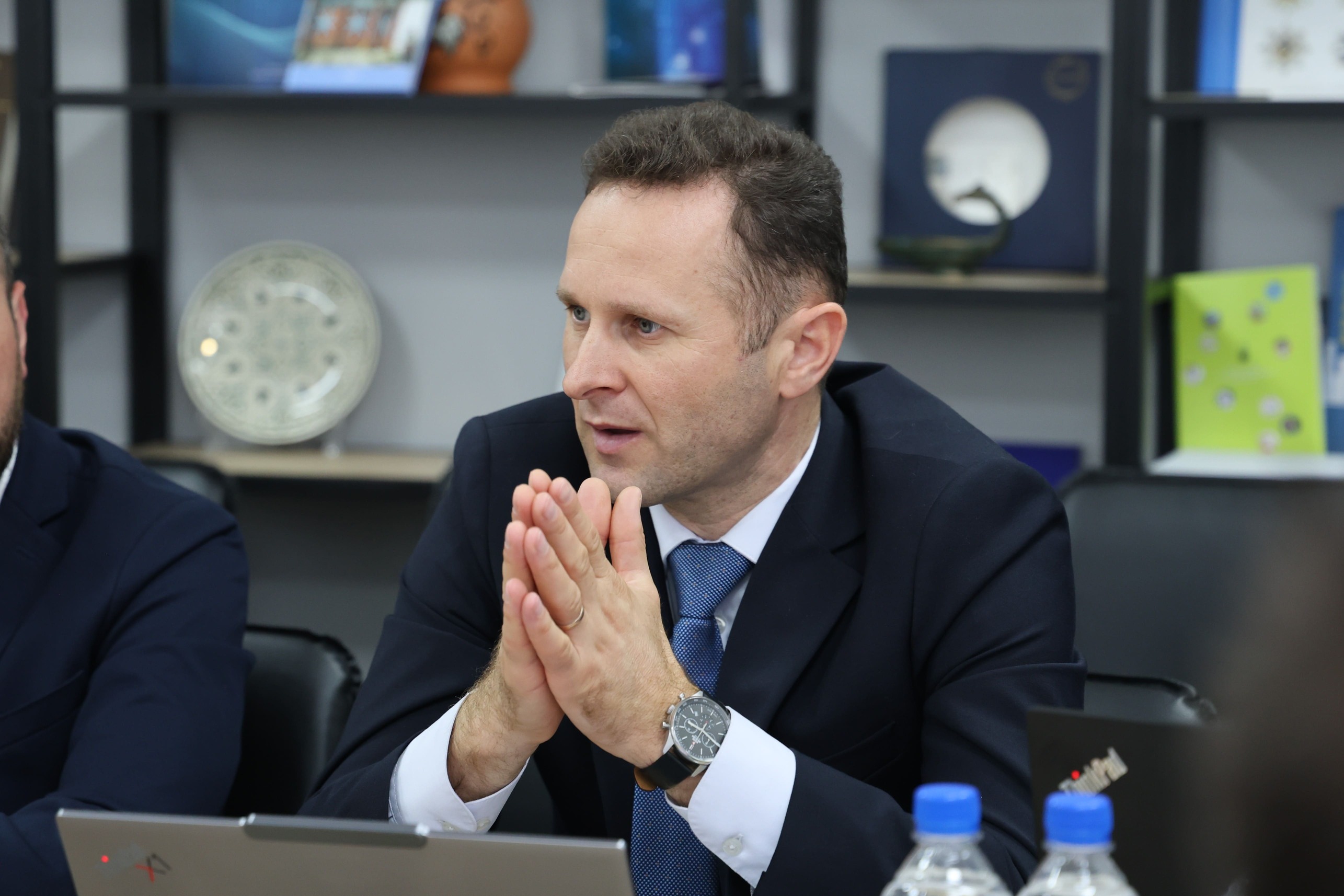
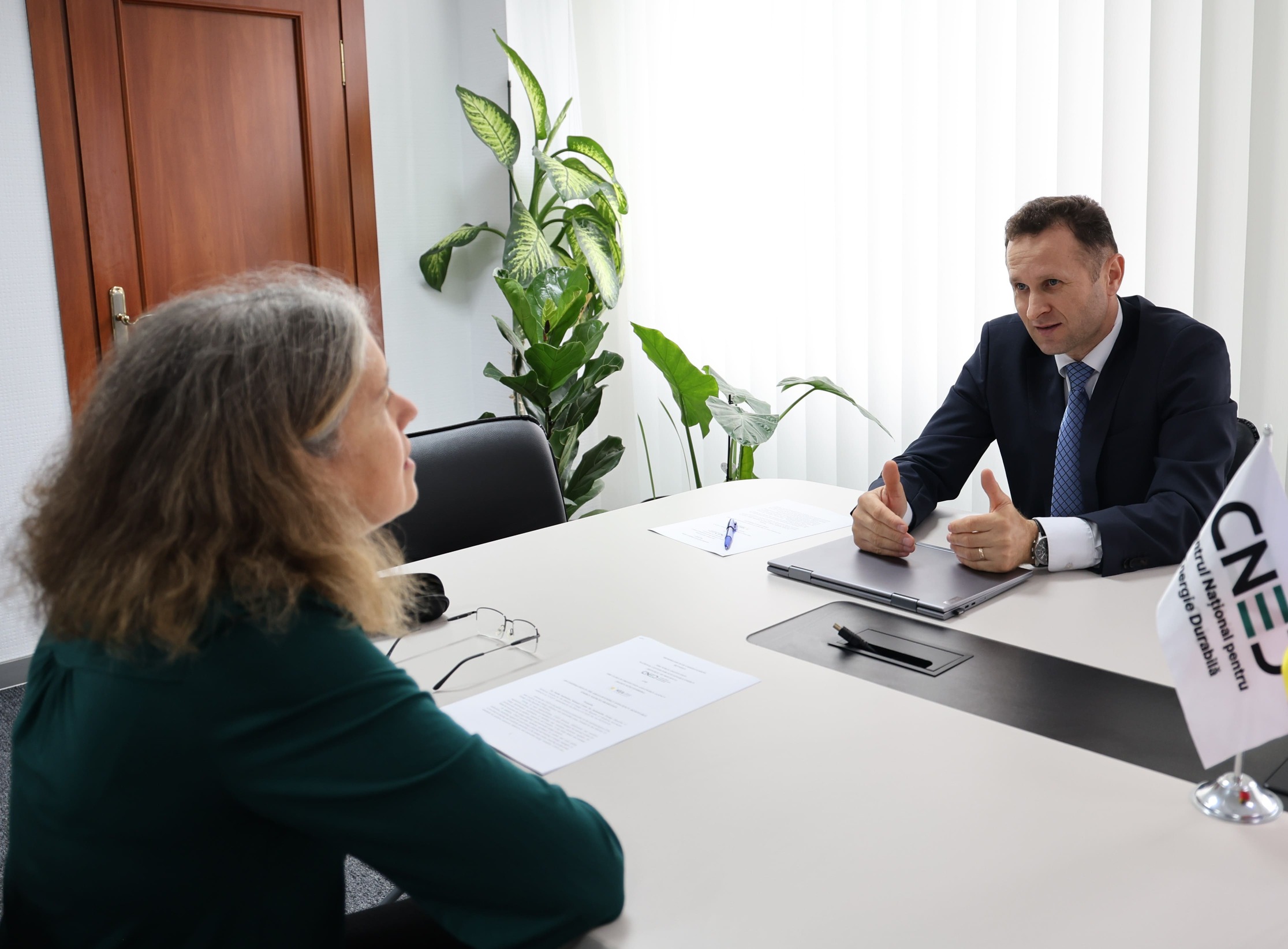
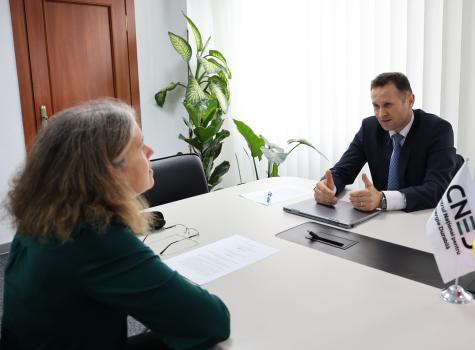
In the context of the signing of the Memorandum of Understanding, Martina Hofmann and Ion Muntean held a bilateral meeting, during which they discussed the main areas of common interest and the directions for cooperation to be developed in the coming period.
“The experience of the state of Baden-Württemberg in local energy planning, municipal energy management and the decarbonisation of the heating sector is particularly valuable for the Republic of Moldova. Cooperation with KEA-BW will help us apply these good practices in our work and provide better support to local public authorities in the energy transition,” said Ion Muntean, Director of CNED.
An important component of the partnership is capacity building and technical cooperation. The partners will jointly organise information campaigns, workshops, seminars, training programmes, visits and study tours. CNED and KEA-BW will also exchange data, information and technical know-how, and share innovative solutions and research findings in the fields of energy efficiency and renewable energy.
“In addition to the valuable exchange of technical expertise, this cooperation has given us the opportunity to learn how a similar institution operates in a different context. At the same time, we have identified practices from our partners in the Republic of Moldova that are relevant to our own work. We appreciate the constructive exchange of ideas during the meeting and will make use of the insights gained in the future development of KEA-BW,” said Prof. Dr.-Ing. Martina Hofmann, Executive Director of KEA-BW.
The Memorandum also provides for the joint preparation and submission of funding applications to European and international programmes for projects in the fields of renewable energy, energy efficiency and sustainable mobility. The partners will jointly publish and disseminate studies, reports and technical materials, and will organise or participate in working meetings, conferences, thematic exhibitions, trade fairs and other professional events.
The Memorandum of Understanding is concluded for a period of five years, with the possibility of expanding the areas of cooperation by mutual agreement between the parties.
The National Centre for Sustainable Energy is a public institution mandated to coordinate and organise activities aimed at ensuring the implementation of state policy in its areas of responsibility, including by attracting and managing financial resources to finance and promote projects and programmes in these areas in an economically and environmentally sustainable manner, contributing to climate change mitigation objectives and enhancing the country’s energy security.
- 148 reads
- RO
Images