



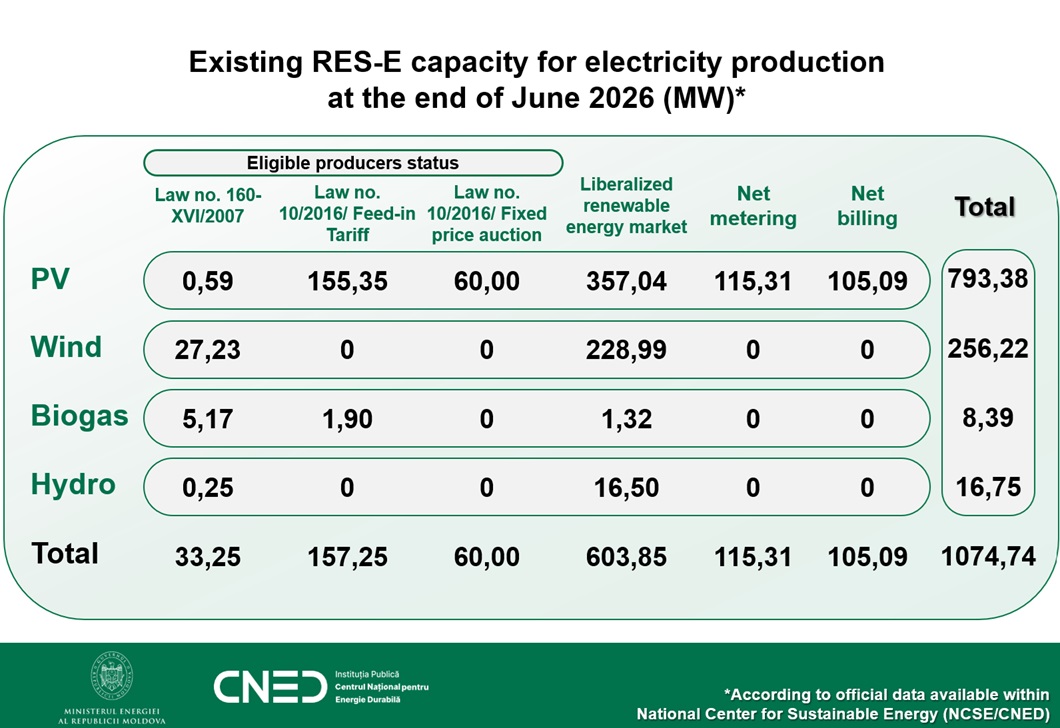
According to the data processed in the first half of 2026, 93.90 MW of new RES-E capacities were installed, recording a total of 1,074.74 MW.
According to the processed data, at the end of June 2026, out of the 1,074.74 MW installed, it is attested that photovoltaic installations with a total installed power of 793.38 MW are the most widespread technology and represent 74% of the total installed RES-E capacities. These are followed by wind installations, whose total power is 256.22 MW, representing 24% of the total. The capacities of biogas installations register a total of 8.39 MW (1%), and the capacities of hydro installations register values of 16.75 MW (1%), the weighted distribution of installed capacities by types of renewable electricity production technologies being represented in Figure 1 below.
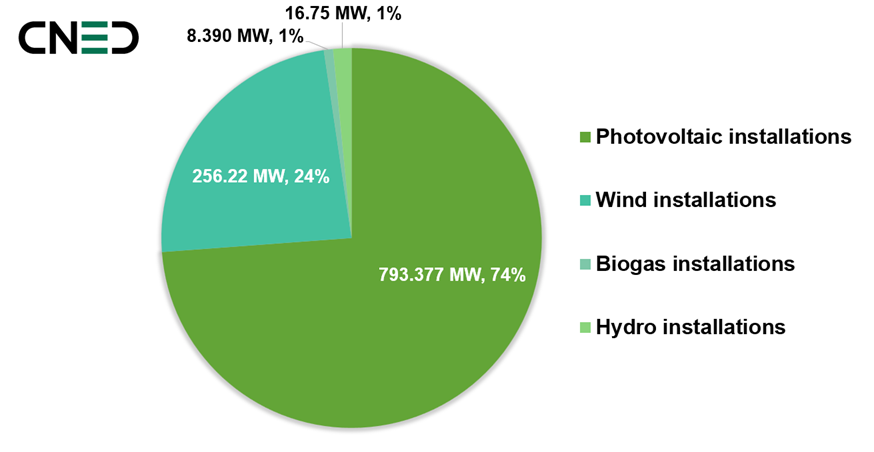
Figure 1. Distribution of installed capacity by technology types of RES-E capacities installed at the end of June 2026
The annual evolution of installed capacities of renewable energy sources is presented below in Figure 2.
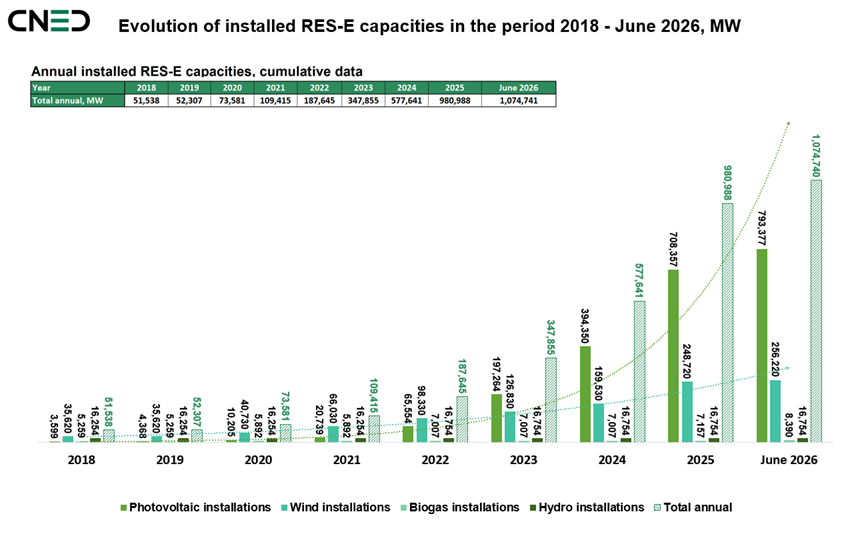 Figure 2. Evolution of E-RES capacities installed between 2018 and June 2026, MW
This evolution was determined both by the impact of policies in the field and by market dynamics. State-regulated support mechanisms such as net metering (5,051 beneficiaries) and net billing (4,876 beneficiaries) encouraged the active participation of 9,927 prosumers at the end of June 2026, contributing to the installation of a capacity of 220.40 MW, which constitutes 21% of the total installed RES-E capacities. At the same time, 157.25 MW (15%) of the capacities were installed based on the Fixed Tariff support mechanism. Also, 33.25 MW (3%) of the capacities were installed based on the provisions of Law No. 160-XVI/2007 on renewable energy, and 60 MW (6%) of the capacities are installed based on the Fixed Price mechanism.
In the short and medium term, investors benefit from a more predictable and attractive regulatory framework, which allows for the accelerated implementation of renewable energy projects and contributes to reducing the costs associated with energy consumption.
In total, 470.90 MW are installed through the support mechanisms adopted by the state, which constitutes a share of 44% of the total existing capacity for producing electricity from renewable sources.
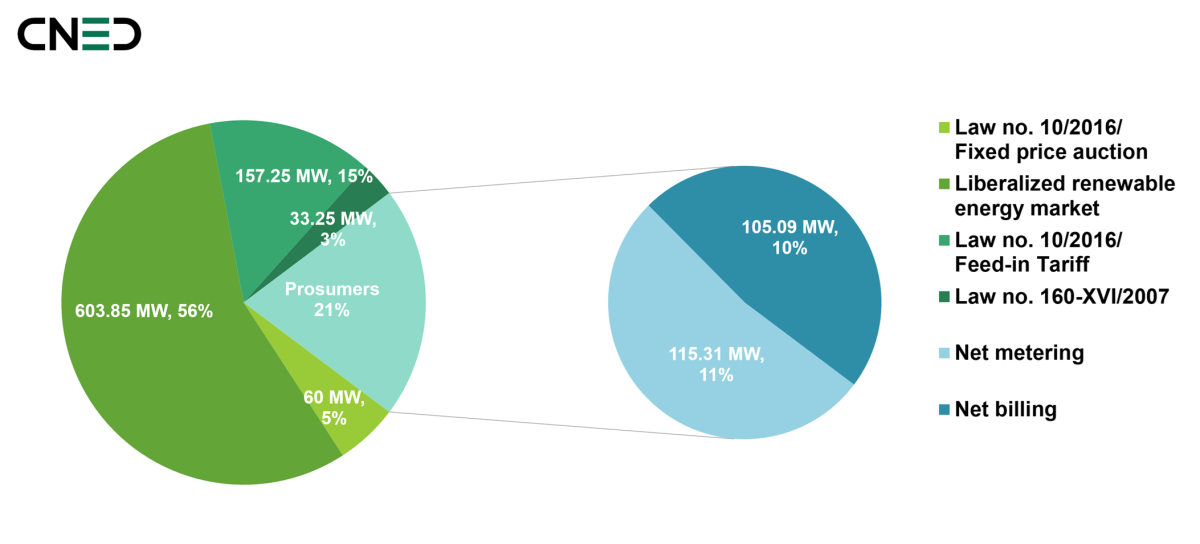
Figure 3. Distribution of installed RES capacity at the end of June 2026, according to state support mechanisms
A considerable share of renewable electricity producers sell the energy produced on the open market, which highlights the fact that the production of energy from renewable sources is a feasible economic activity and is of interest to investors. Currently, the total capacity of producers participating in the open market is 603.85 MW (56%), of which 357.04 MW are photovoltaic installations, 228.99 MW – wind, 1.32 MW – biogas and 16.50 MW – hydro.
The implementation of Law No. 10/2016 on the promotion of the use of energy from renewable sources has opened up new opportunities for economic development through the proposed support mechanisms, thus contributing to the creation of a more sustainable and competitive energy sector, the diversification of energy sources, the reduction of import dependence and the promotion of a sustainable and more secure energy model. The results obtained to date demonstrate that the objectives of the law are well integrated into the country's energy policy, significantly contributing to the reduction of polluting emissions and the enhancement of national energy security.
The National Center for Sustainable Energy (CNED) presents below the digital platform dedicated to monitoring and analyzing the evolution of installed capacities from renewable sources in the Republic of Moldova, with monthly data updates.
Click on the image below to access the platform and explore the data.
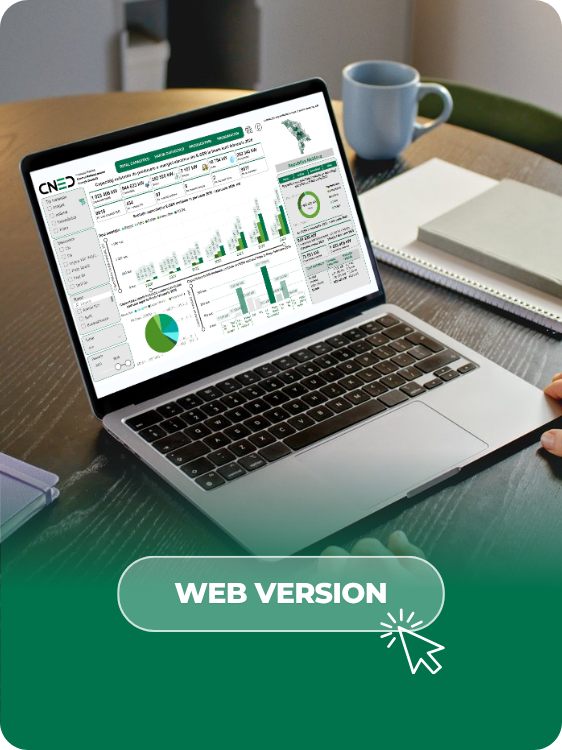
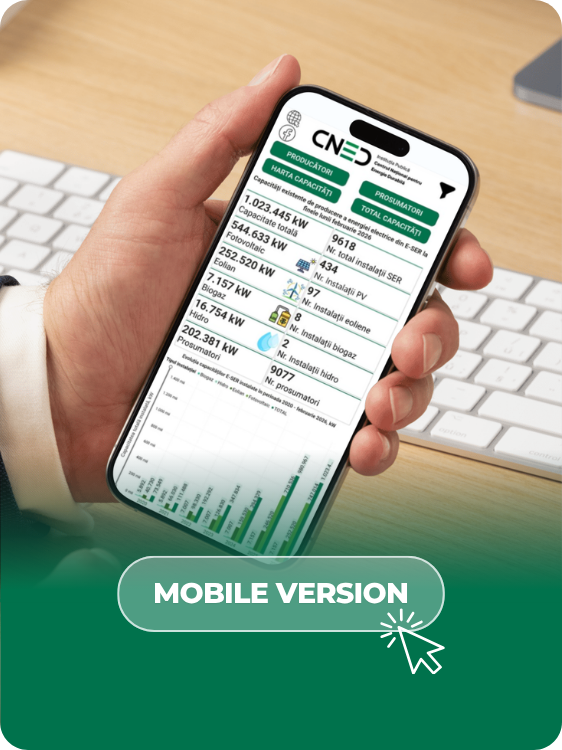
The platform is an analytical tool, designed to provide an interactive visualization and easy access to updated data, the state of the renewable energy sector, allowing the analysis of the development of renewable energy production capacities at regional and national levels. For an optimized experience, the platform can be navigated in both the desktop and mobile versions.
For those interested in installing a solar energy system for their home or business, or who wish to explore more advanced options for energy generation and storage, the National Center for Sustainable Energy provides a guide that offers all the necessary information to help you take concrete steps toward a more sustainable and cost-effective lifestyle.
Practical Guide: “How to Become a Renewable Electricity Producer”
Implementation of the Net Metering Mechanism and the Transition to Net Billing
Implementation of the Net Billing Mechanism