Energy efficiency investments and reduced costs for residents addressed at the 2nd edition of the Homeowners’ Associations Forum
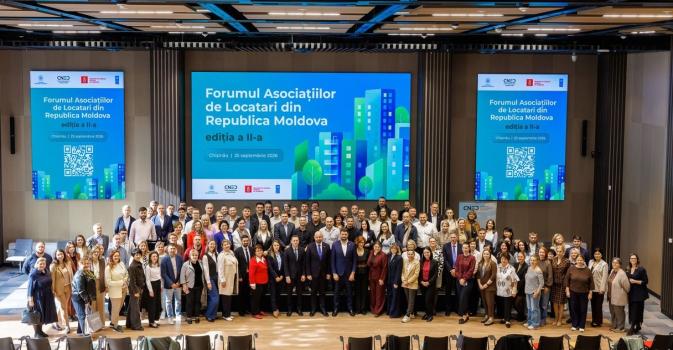
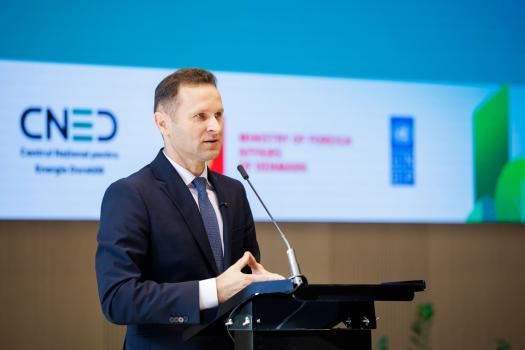
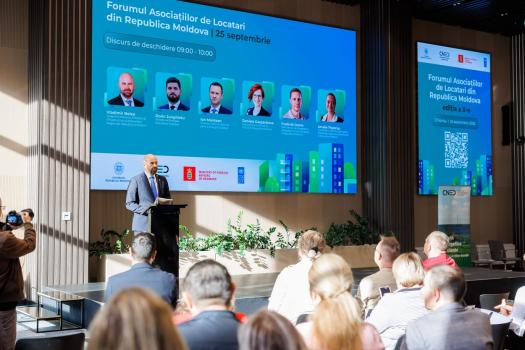
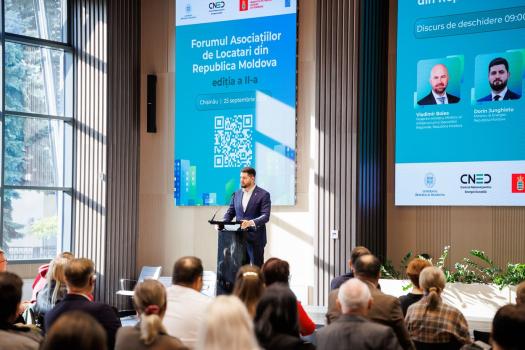
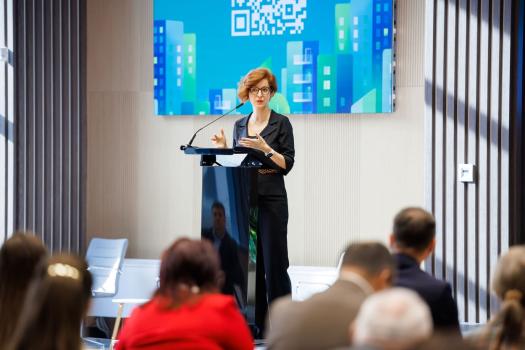
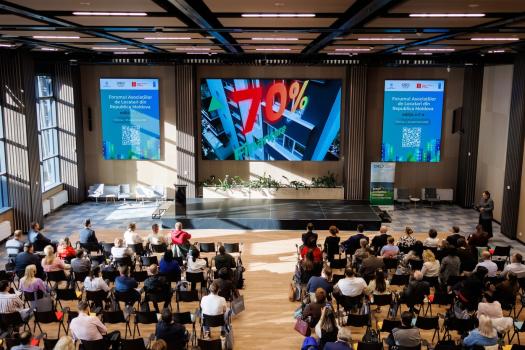
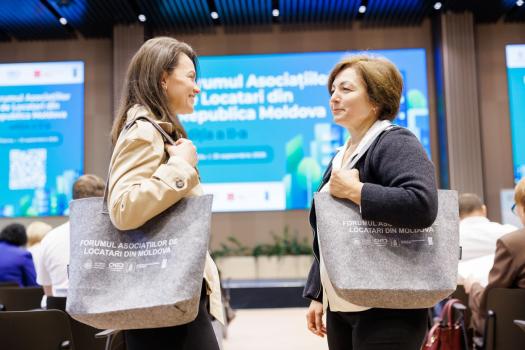
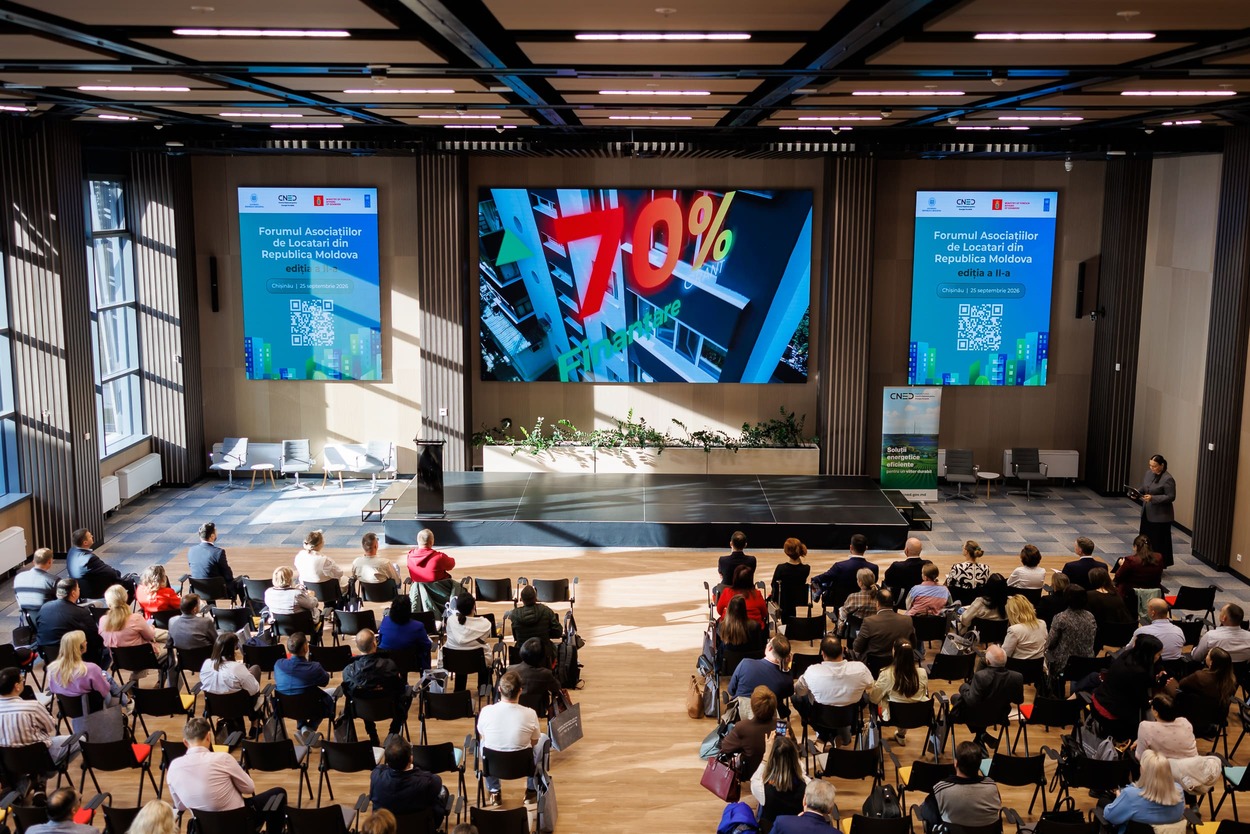
25 September 2026, Chisinau – Expanding investments in energy efficiency to achieve long-term reductions in energy consumption and costs, while reducing residents’ exposure to price fluctuations, was the central theme of the second edition of the Moldova Homeowners’ Associations Forum. Buildings are the largest energy consumer in the Republic of Moldova and, depending on the measures implemented and the characteristics of the building, energy renovation can reduce energy costs by up to 70% while improving comfort in homes.
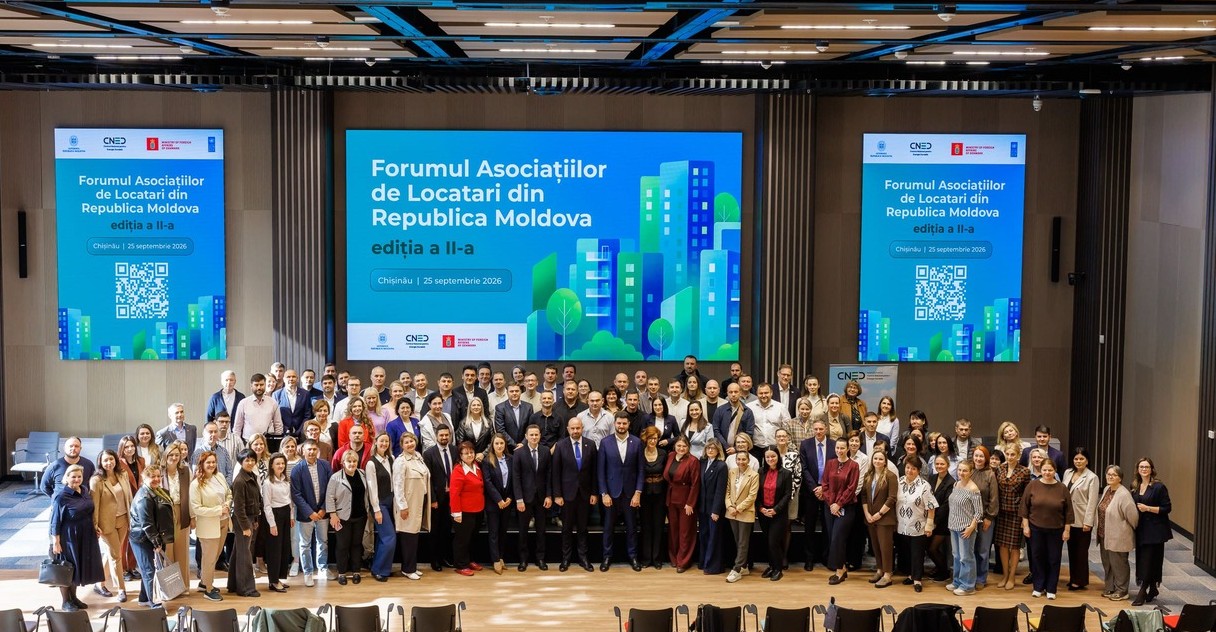
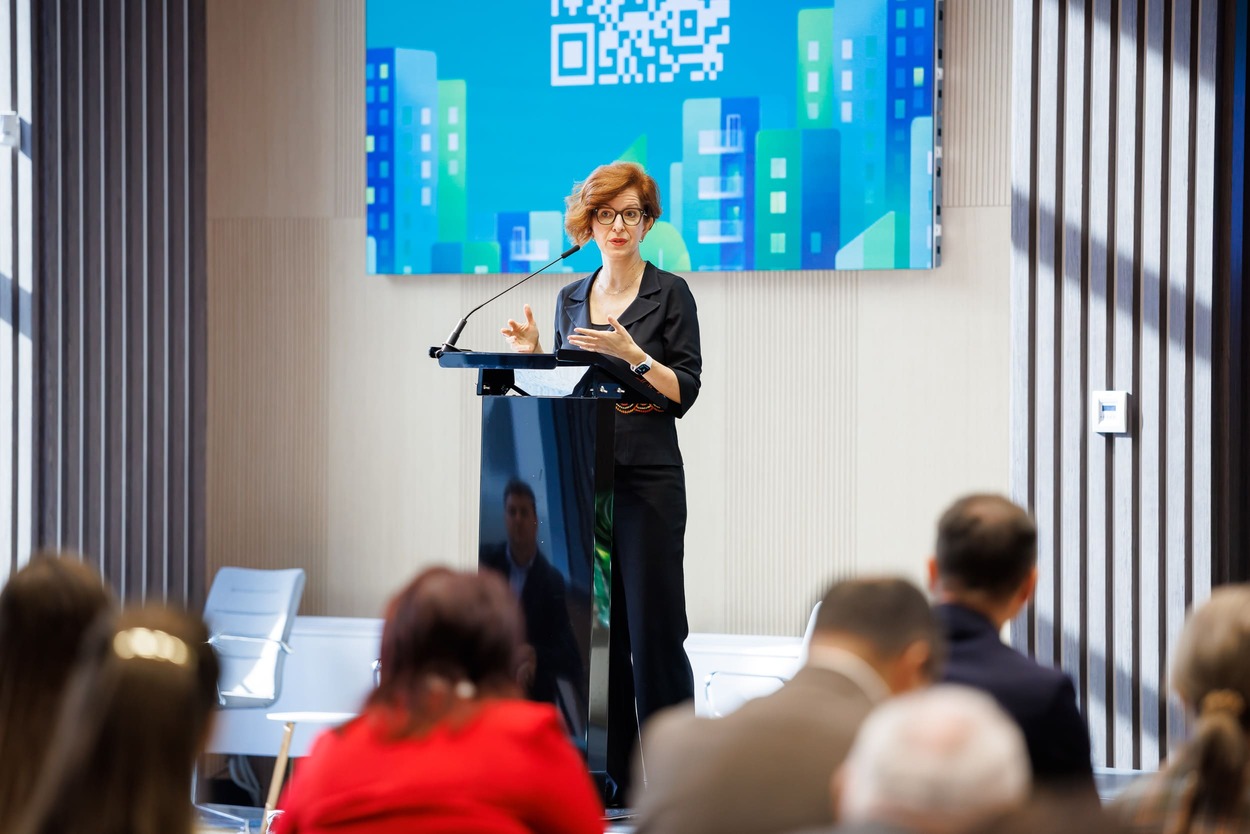
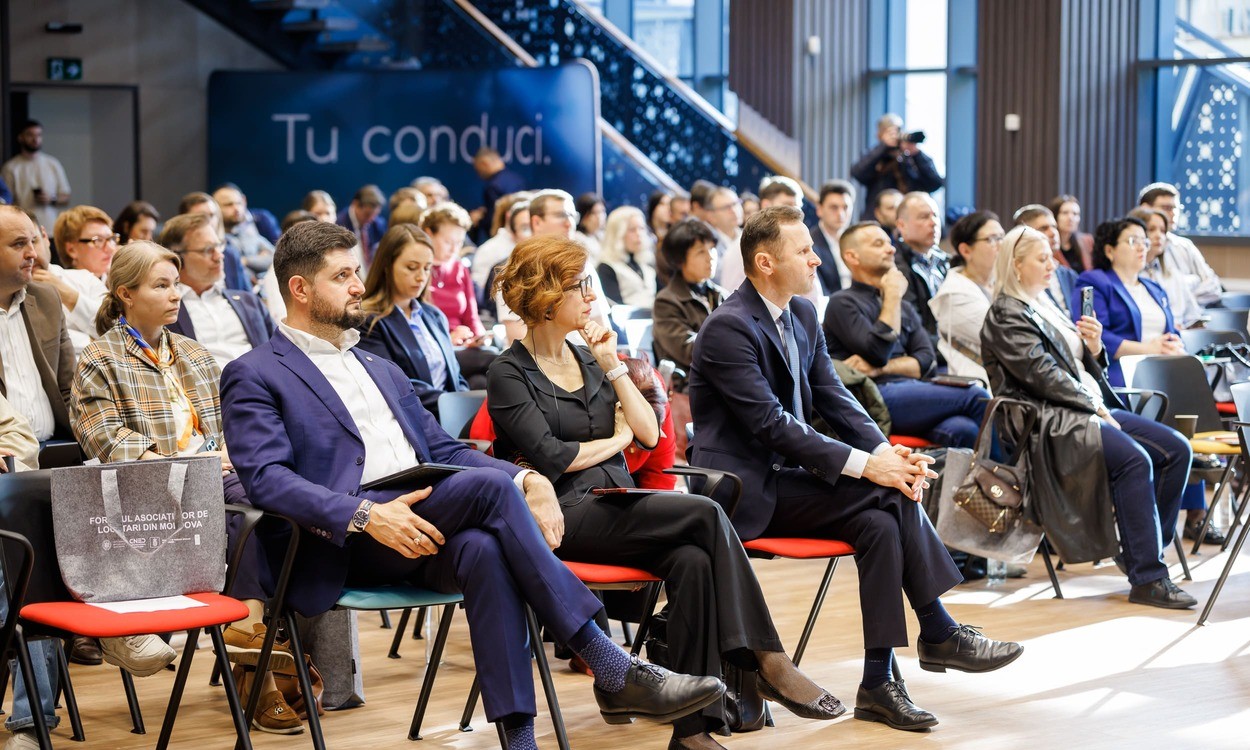
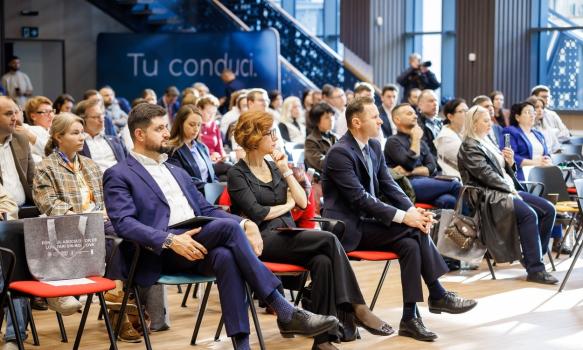
The Forum brought together representatives of homeowners’ associations and condominium owners’ associations, public authorities, development partners and sector specialists, who discussed public policies and measures needed to accelerate the energy renovation of buildings and create more favourable conditions for initiating and managing investment projects.
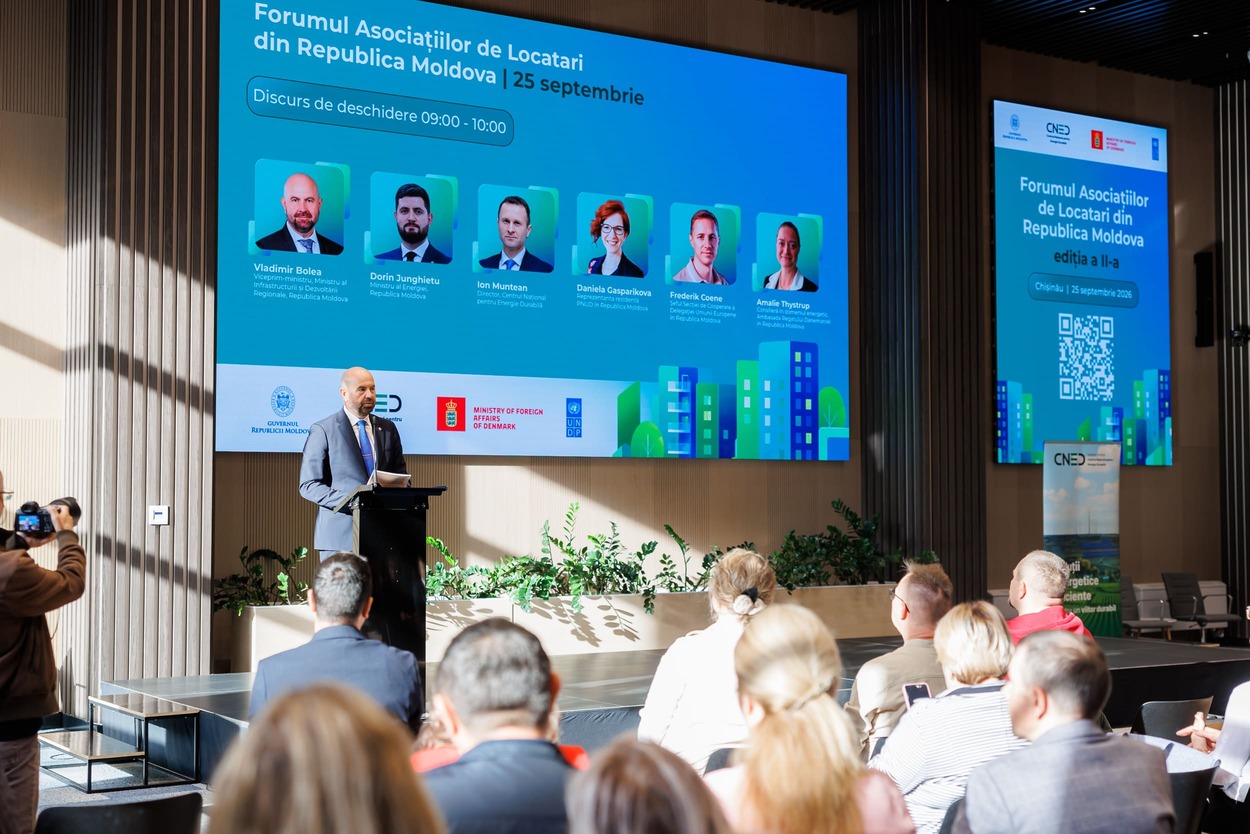
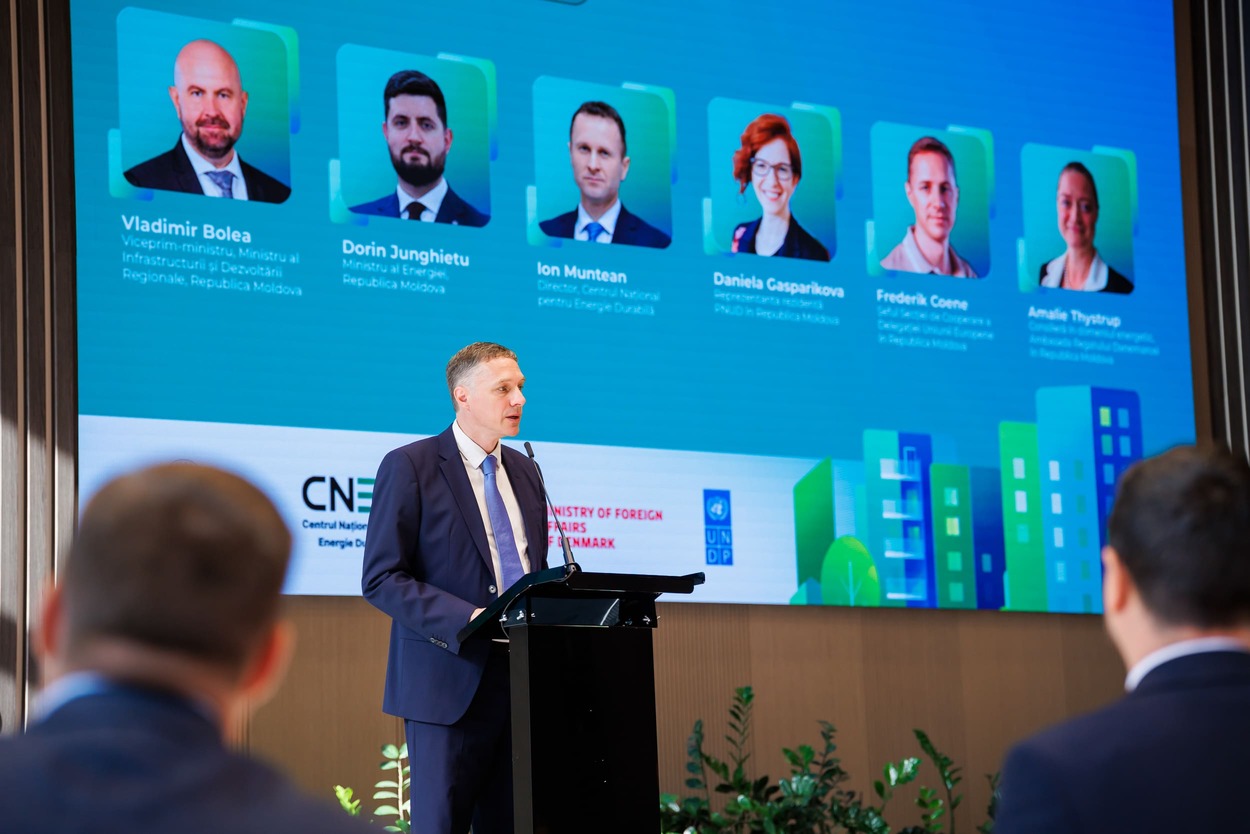
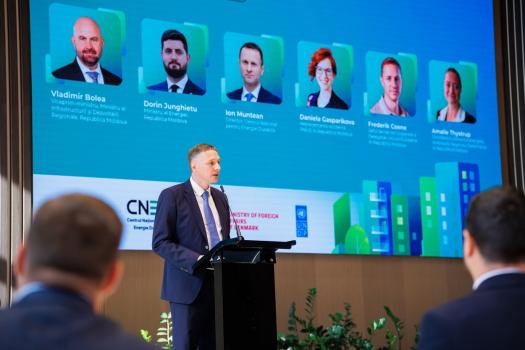
A prerequisite for expanding investment is the reorganisation of homeowners’ associations and the establishment of condominium owners’ associations, enabling property owners to take over the management of their buildings and make decisions on renovation investments. In this context, Vladimir Bolea, Deputy Prime Minister and Minister of Infrastructure and Regional Development, highlighted the importance of completing the reform of residential building management.
“The poor condition of many residential buildings today is due to the fact that the reform of building management has not been completed. It needs to be finalised through the establishment of condominium owners’ associations. When we talk about investment, the first question is whether or not a building has an association. Our buildings are deteriorating every day, and people’s property risks reaching a point of no return. To stop this process, residents need to convince one another to establish condominium owners’ associations and start managing their buildings together, so that they can access the investments available through the programmes being implemented,” said Vladimir Bolea.
Access to financing was another key topic of the Forum, with a focus on expanding financial instruments and aligning the market with European standards, including through grants, co-financing mechanisms and lending solutions for building renovation.
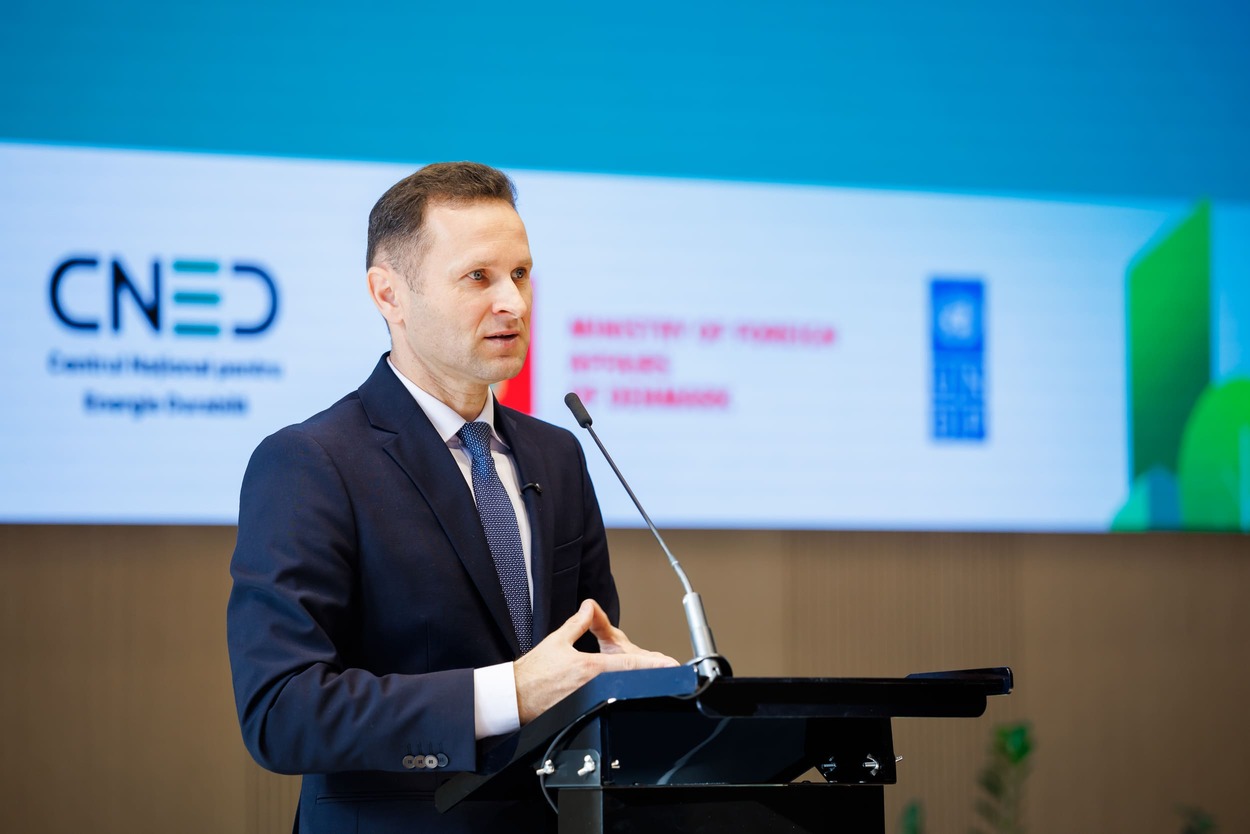
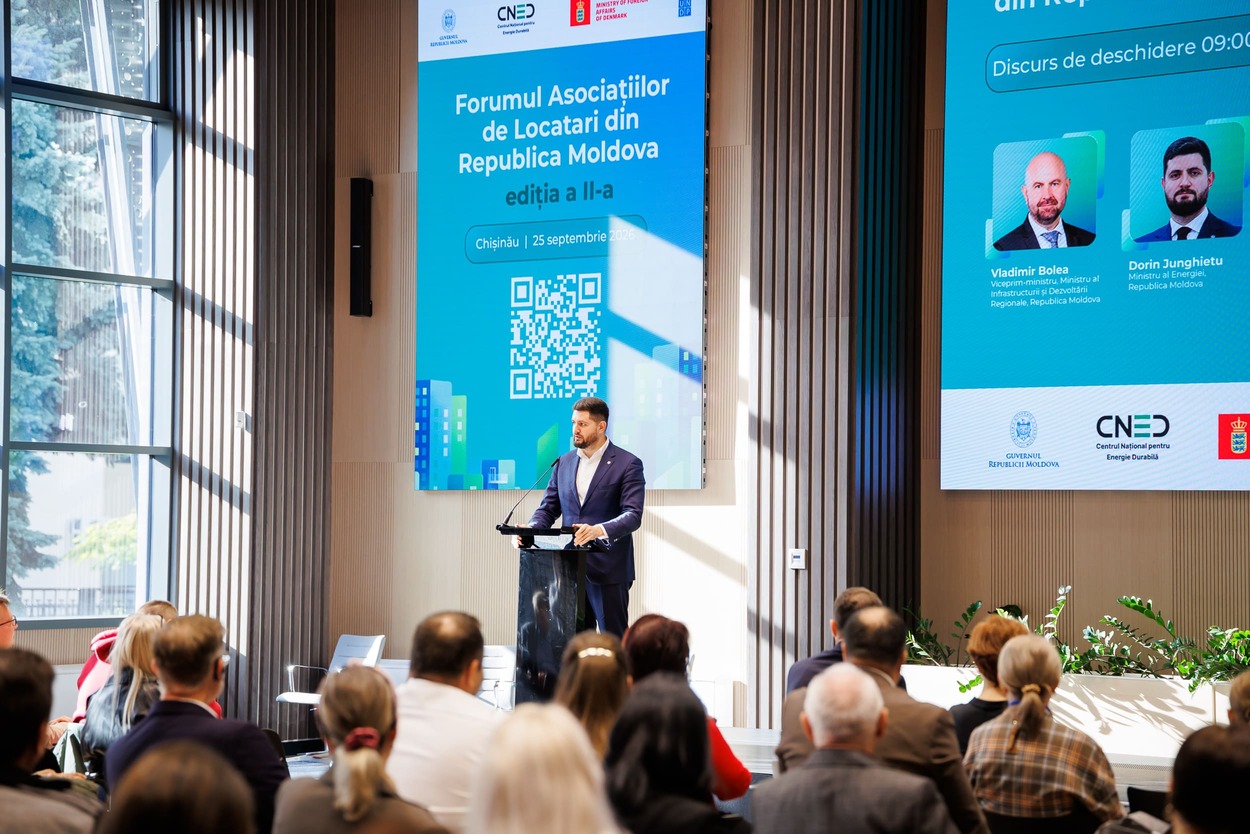
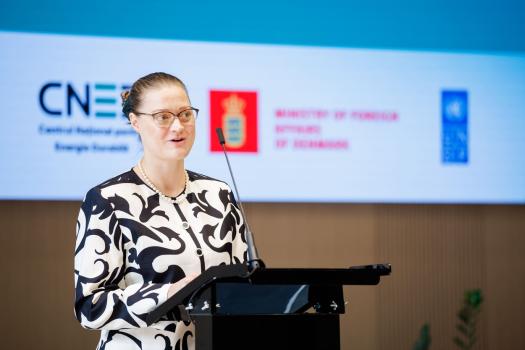
“Energy efficiency in a building starts with people deciding to act together for the common good. Homeowners’ associations play an essential role: they bring neighbours together, build trust and turn collective decisions into better conditions for every family. We support this effort through CNED programmes, including FEERM, which finances energy efficiency measures in apartment buildings, as well as through guarantees that facilitate associations’ access to renovation loans. At the same time, through projects implemented by UCIPE, we are working to modernise heat distribution in approximately 80% of the apartment buildings in Chisinau and Balti, including the installation of individual heating substations and apartment-level meters. All these investments put citizens at the centre: greater comfort, better control over consumption and lower bills. I encourage residents to organise themselves and make use of these opportunities, because an energy-efficient building also means long-term protection against high energy costs,” said Dorin Junghietu, Minister of Energy.
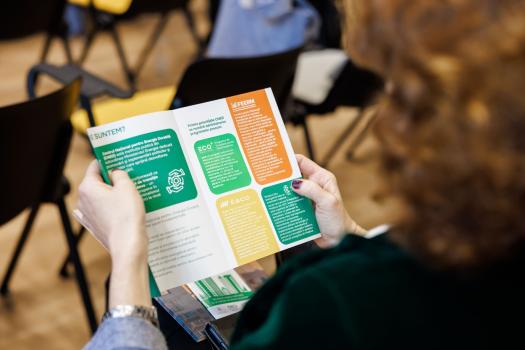
The financing solutions available to associations were presented by Ion Muntean, Director of the National Centre for Sustainable Energy, in the context of the instruments developed through the Energy Efficiency Fund for the Residential Sector of Moldova (FEERM).
“Today, homeowners’ associations have an important opportunity to renovate their buildings through a mechanism in which the state covers the largest share of the investment. For this opportunity to deliver results, it is important for associations to be active, organise themselves and decide to participate in the programmes available. CNED is here to support this process, from project preparation to accessing financing and implementing the works. We want more and more associations to make use of these instruments and turn public support into more energy-efficient buildings, lower bills and better living conditions for residents,” said Ion Muntean.
For the available instruments to be accessed and managed by a larger number of associations, it is also necessary to strengthen their capacity. UNDP Moldova is also supporting the development of associations’ capacities and their preparation for energy efficiency projects.
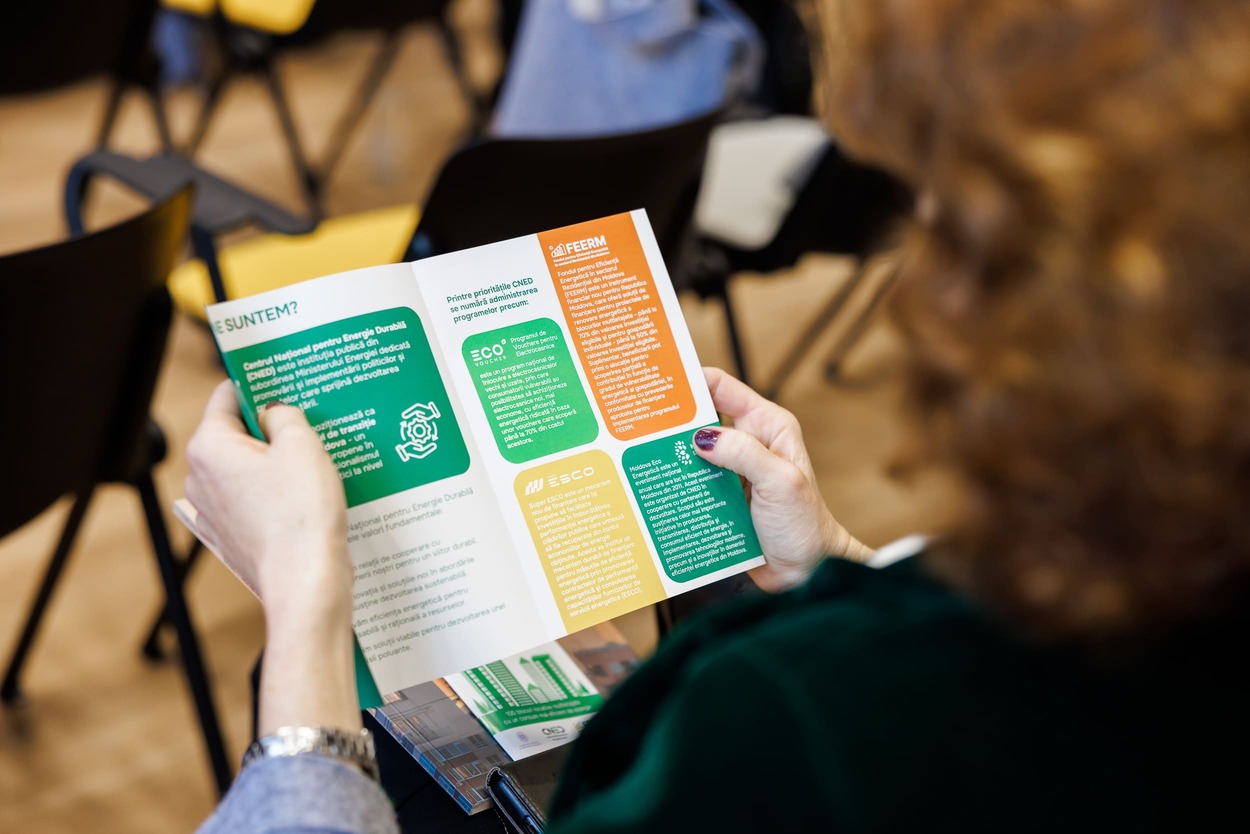
The government’s FEERM programme has a budget of more than MDL 1.4 billion through 2027 and aims to renovate at least 507,000 square metres of residential buildings. Under the programme, condominium owners’ associations (HoA) can benefit from grants covering up to 70% of the eligible investment, while for energy-vulnerable homeowners, their own contribution may be covered by up to 90% through the Energy Vulnerability Reduction Fund. To date, 124 energy audits have been carried out for 102 associations, while financing agreements have been signed with 19 associations. Works have started in eight of these associations, with four already reaching an advanced stage of implementation. The guarantee and financing mechanism for HoA complements these instruments by facilitating access to loans for building renovation.
To effectively access and manage energy renovation projects for residential buildings, associations need to strengthen their decision-making capacity. For associations that are not organised in a legal form eligible for financing, reorganisation as condominium owners’ associations is a necessary step towards accessing the available financing instruments.
Discussions at the event highlighted that, in order to make full use of the opportunities provided by these instruments, the active involvement of residents and the mobilisation of HoA to access financing available through FEERM are essential. The exchange of experience complemented the discussions with examples of energy efficiency project implementation, while representatives of associations and local public administration presented practical experiences and solutions implemented in different localities.
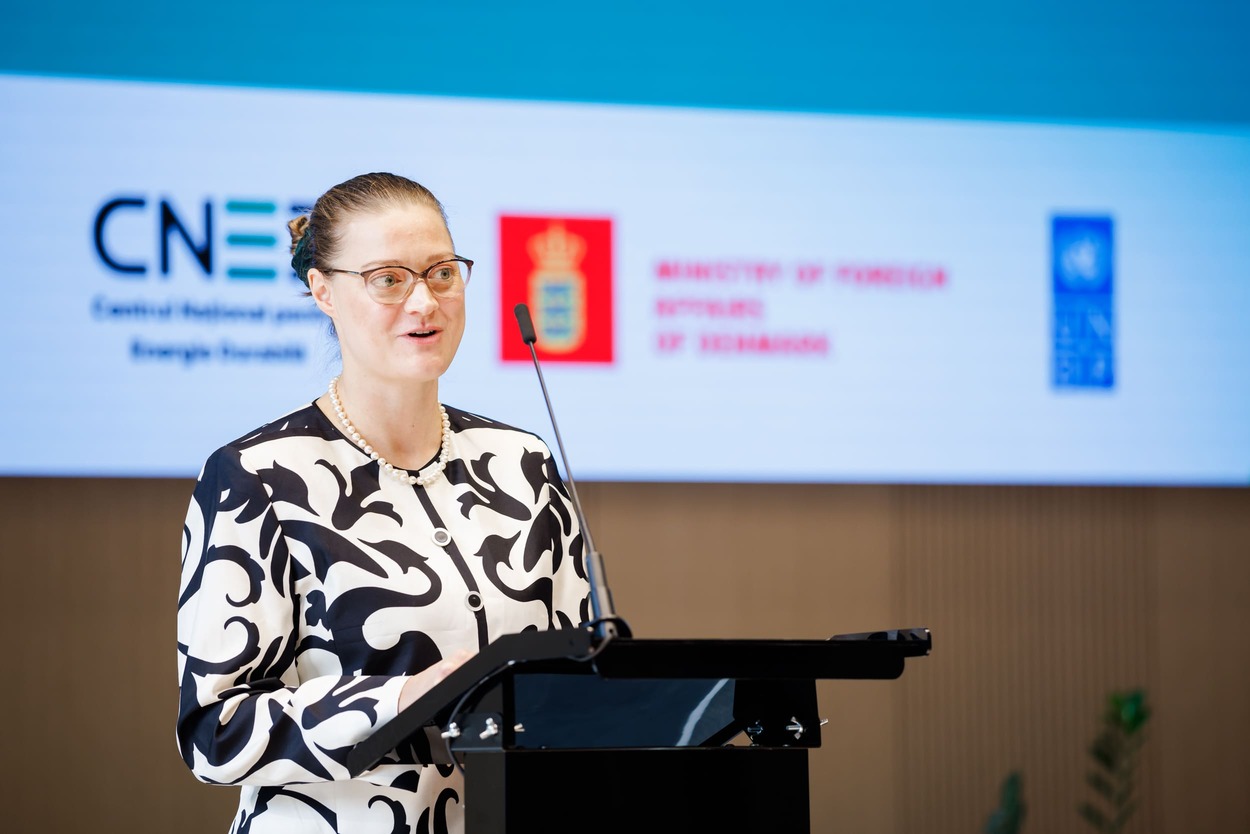
The event was organised by the National Centre for Sustainable Energy and UNDP Moldova, with the support of the Ministry of Energy, the Ministry of Infrastructure and Regional Development, the Regional Development Agencies, and Denmark.
- 233 reads
- RO
Images