The works of energetic rehabilitation at the first residential building from the north of the Republic of Moldova via the FEERM program advance according to the established graph
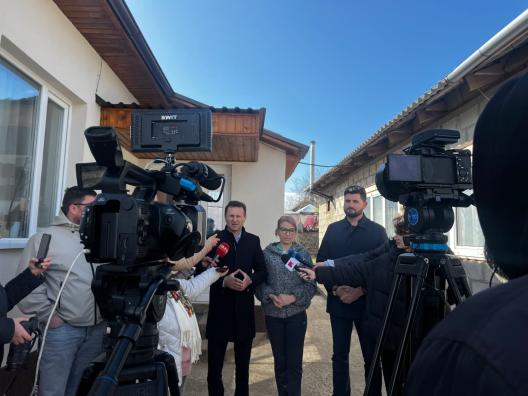
7th of April 2026, Chisinau – The works of energetic rehabilitation at the first residential building from the north of the Republic of Moldova realized via the Fund for Energy Efficiency in the Residential field from Moldova (FEERM), is taking place according to the established graph. The progress of the works has been evaluated during a work visit at the multi-story building from Balti, done by the director of the National Centre for Sustainable Energy, Ion Muntean, together with the Minister of Energy, Dorin Junghietu.
The 14 story apartment building with 53 apartments is the first from the north of the country, which entered into the energetic rehabilitation via FEERM. The total value of the project is 5,78 million lei. From this amount, 4,05 million lei are being offered as a grant via the financial product for the energy efficiency of apartment buildings, thus covering 70% from the investment, and the residents’ contribution constitutes 30%. At the same time, the energetic vulnerable families benefit from compensations up to 90% from own contribution, via the Fund for Reducing the Energetic Vulnerability. Therefore, the total support offered by the state reaches around 4,44 million lei, and the effective contribution of the beneficiaries is around 1,34 million lei.
The works include the thermo insulation of the external walls, intervention that would generate annual savings of around 308 million lei at the energy bills, and would contribute to the significant improvement of the thermic comfort for the residents.
“The FEERM projects clearly prove that the investments in energy efficiency bring direct benefits for people – smaller bills, warmer houses, and a significantly better living comfort. These results confirm that the path is right, and it must be expanded to national scale”, stated the Minister of Energy, Dorin Junghietu.
The CNED Director, Ion Muntean, emphasized the rhythm of the works implementation: “At two weeks since the opening of the construction site, 50% from the external walls are ready for isolation, but on around 10% the thermo insulation material is applied. Moreover, we also work with other owners’ associations for initiating similar projects via the FEERM project, so that the beneficiaries to enjoy smaller energy bills, higher comfort at their homes, and buildings with a more pleasant aspect”, highlighted Ion Muntean.
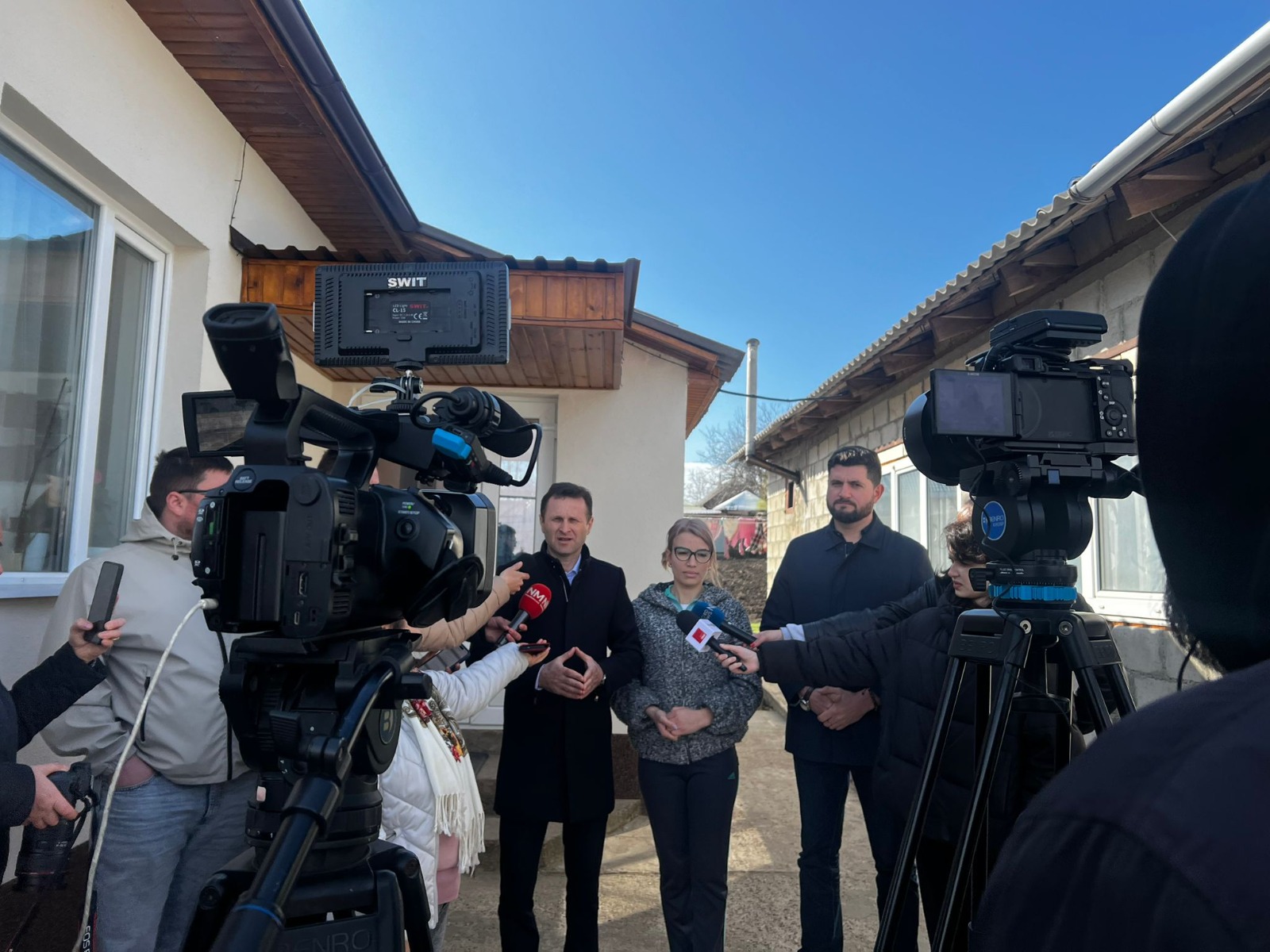
The work visit also included the evaluation of the FEERM investments at the level of individual households. In the Mindrestii Noi village, Singerei county, Melenciuc family, with 4 children, it is one out of 42 beneficiary households of the program through the product of financing for the energetic vulnerable families from the rural areas. The house benefited from a complex package of works in the autumn of last year – the thermo isolation of walls and pedestals, the replacement of windows and the modernization of the heating system, but its family enjoyed the first winter in an energy efficient house.
As a result of the interventions, the thermic comfort has significantly improved, and the expenditure for heating were reduced in more than a half. The total investment was around 444 million lei, out of which around 50% were covered by funds offered by the European Union and the Government of Germany via FEERM, 45% from the Fund for Reducing the Energetic Vulnerability, and the contribution of the beneficiary represented around 5%.
“Beyond the house’s thermo isolation, was also installed a modern heating system, which essentially contributes to the growth of the energy efficiency and the reduction of consumption. The government will continue to implement projects of increasing the efficiency of houses, which would have a major impact on citizens. We aim to extend these programs on a national scale, so that more and more families to benefit from improved living standards, reduced energy costs, and a higher level of comfort in the houses”, concluded Dorin Junghietu.
The governmental program FEERM has a budget of more than 1,4 billion lei till 2027, and supposes the renovation of at least 507 thousand square meters of buildings, 50% out of which are inside residential buildings with multiple families. Nowadays, CNED collaborates with 72 Associations of Owners from Condominium, 17 out of which already have contracts of financing. For the year 2026, a budget of 200 million lei for 44 APC is planned.
We remind that a new call was launched by CNED recently, for APC with adjustments of the financial product. In this call, are also eligible the residential houses built after 2005, if they require thermo isolation works, but the associations contribute with 10% from the cost of the energetic audit. All the measures that reduce the energy consumption or protect the investments, including the installment of photovoltaic systems, provided the thermo insulation of the building, are financed.
The National Centre for Sustainable Energy (CNED) is the public institution, which has the mission to coordinate and organize the activities aimed to ensure the implementation of state policies in the attributed activity fields, inclusively by attracting and managing the financial resources for financing, and promoting the projects and programs in these fields in a sustainable way from the environmental point of view, and the climate change, and which could contribute to the rise of the level of energetic security of the country.
 [1]
[1]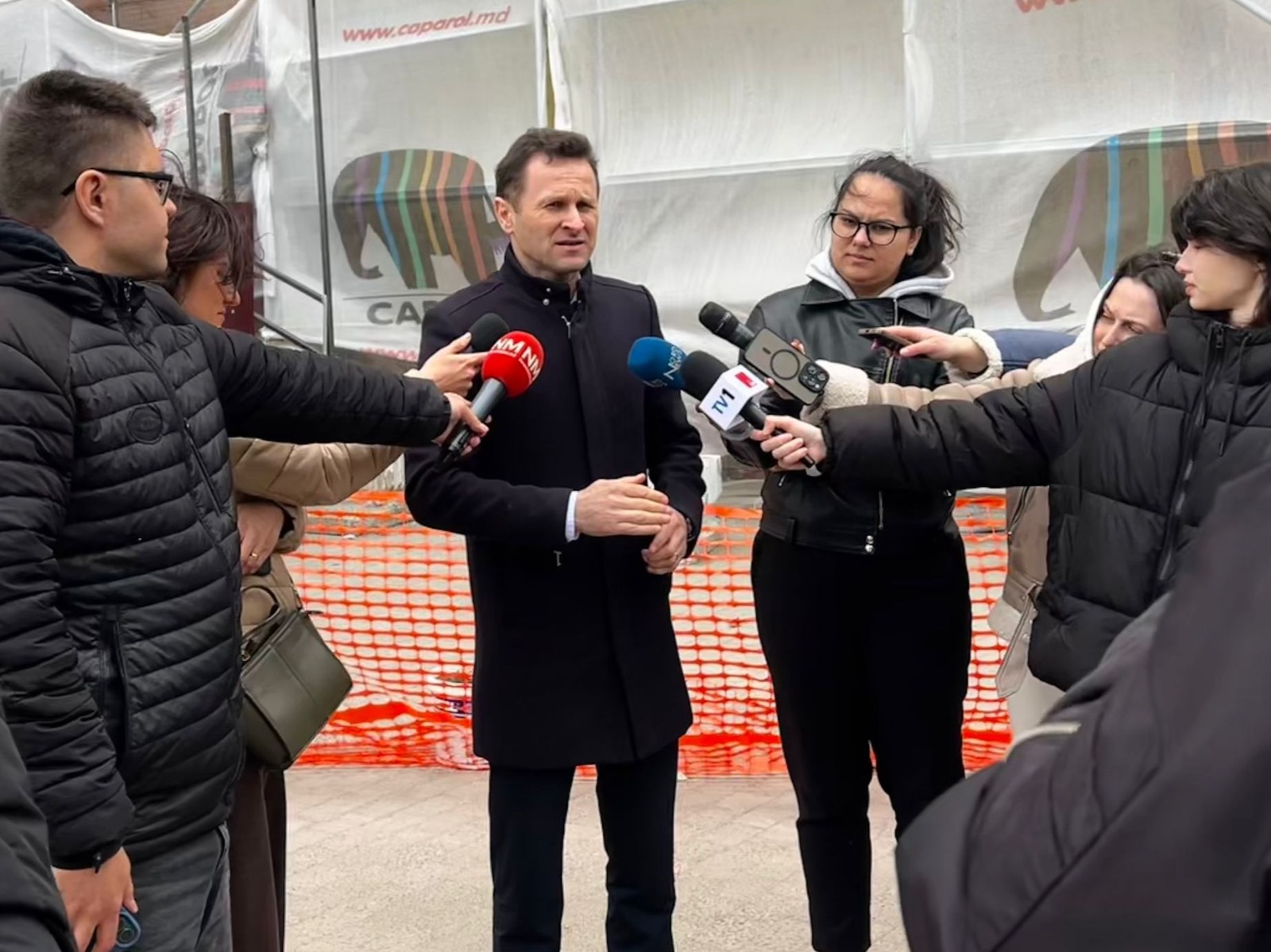 [2]
[2]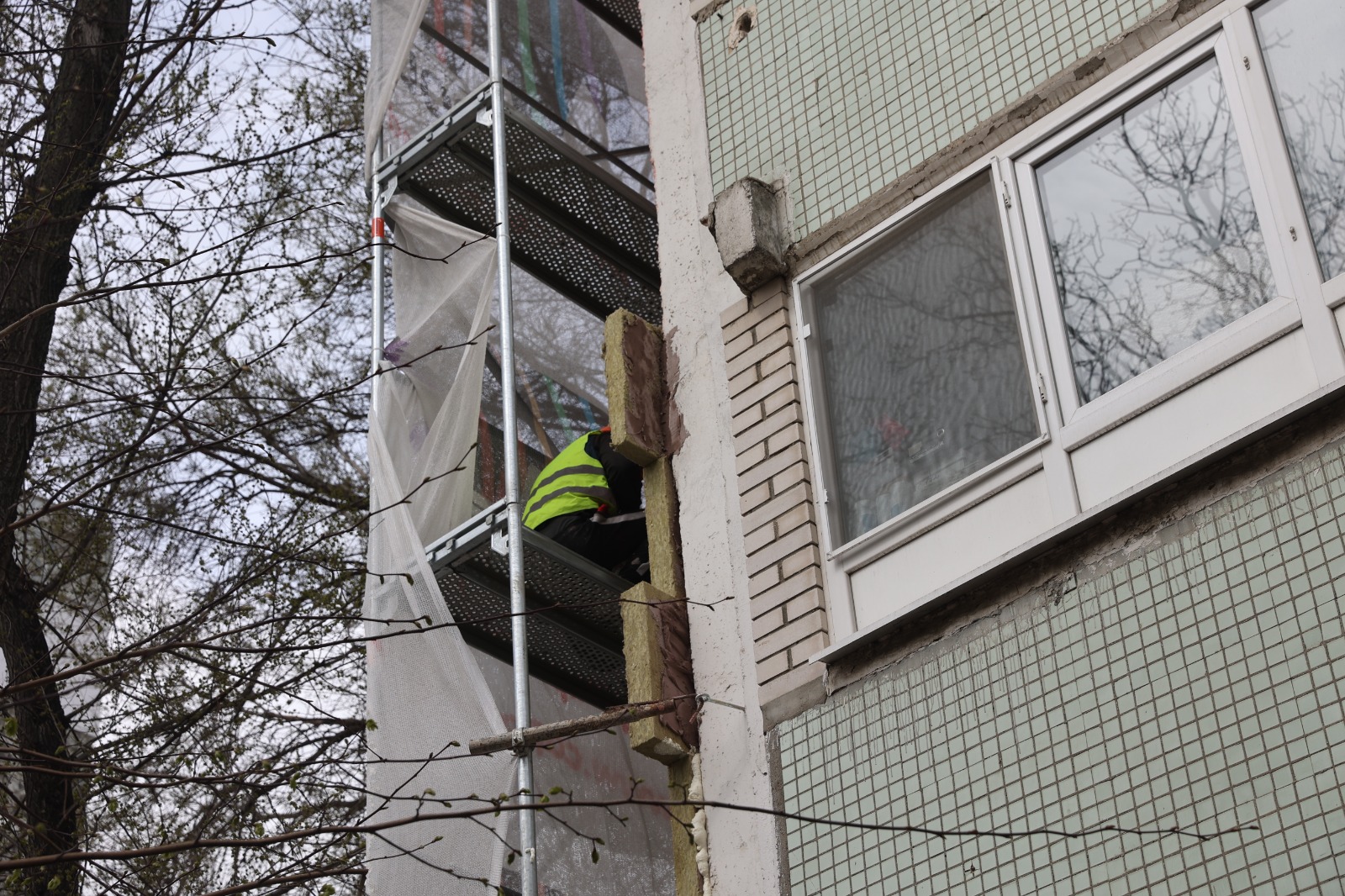 [3]
[3]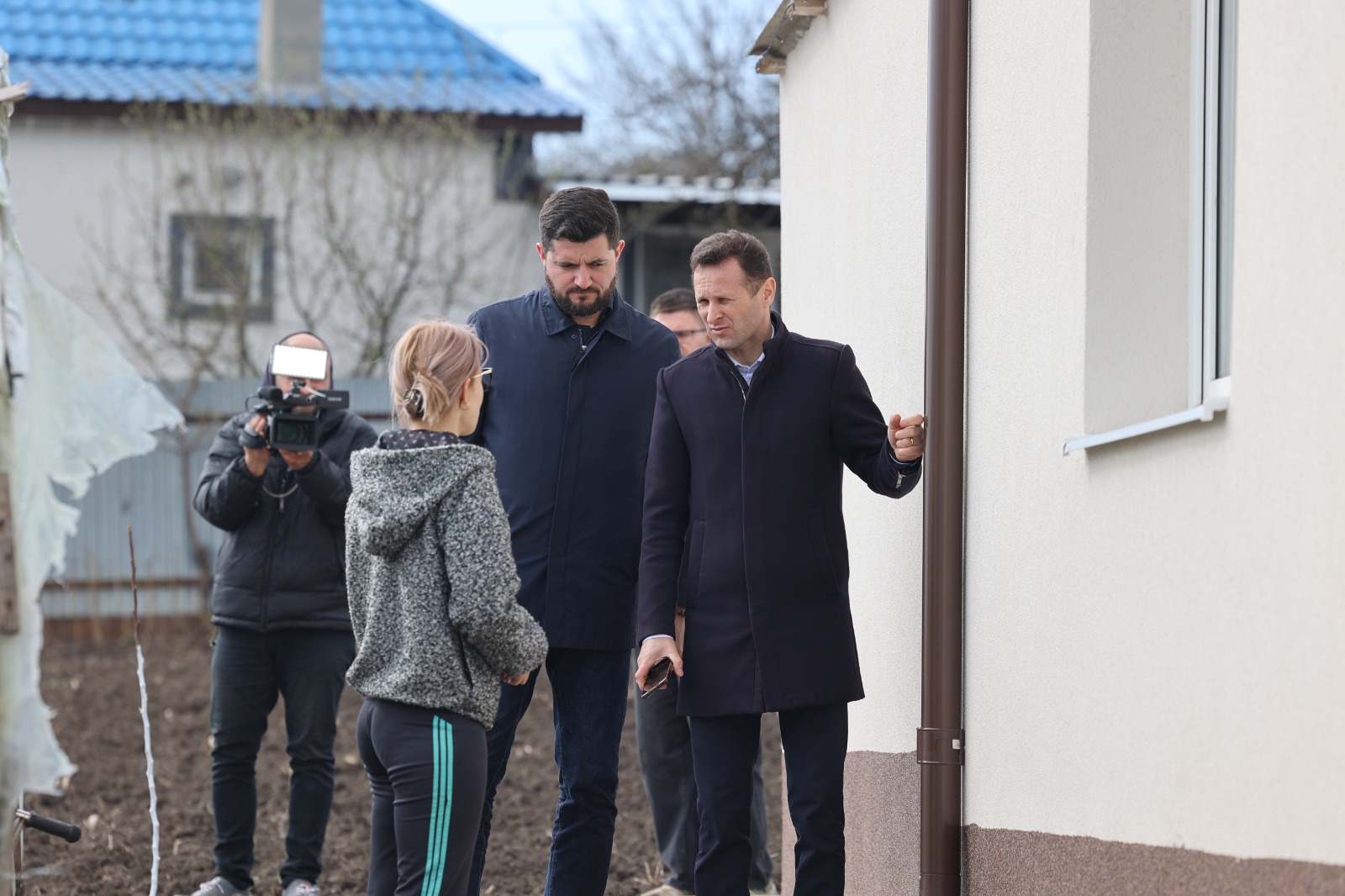 [4]
[4]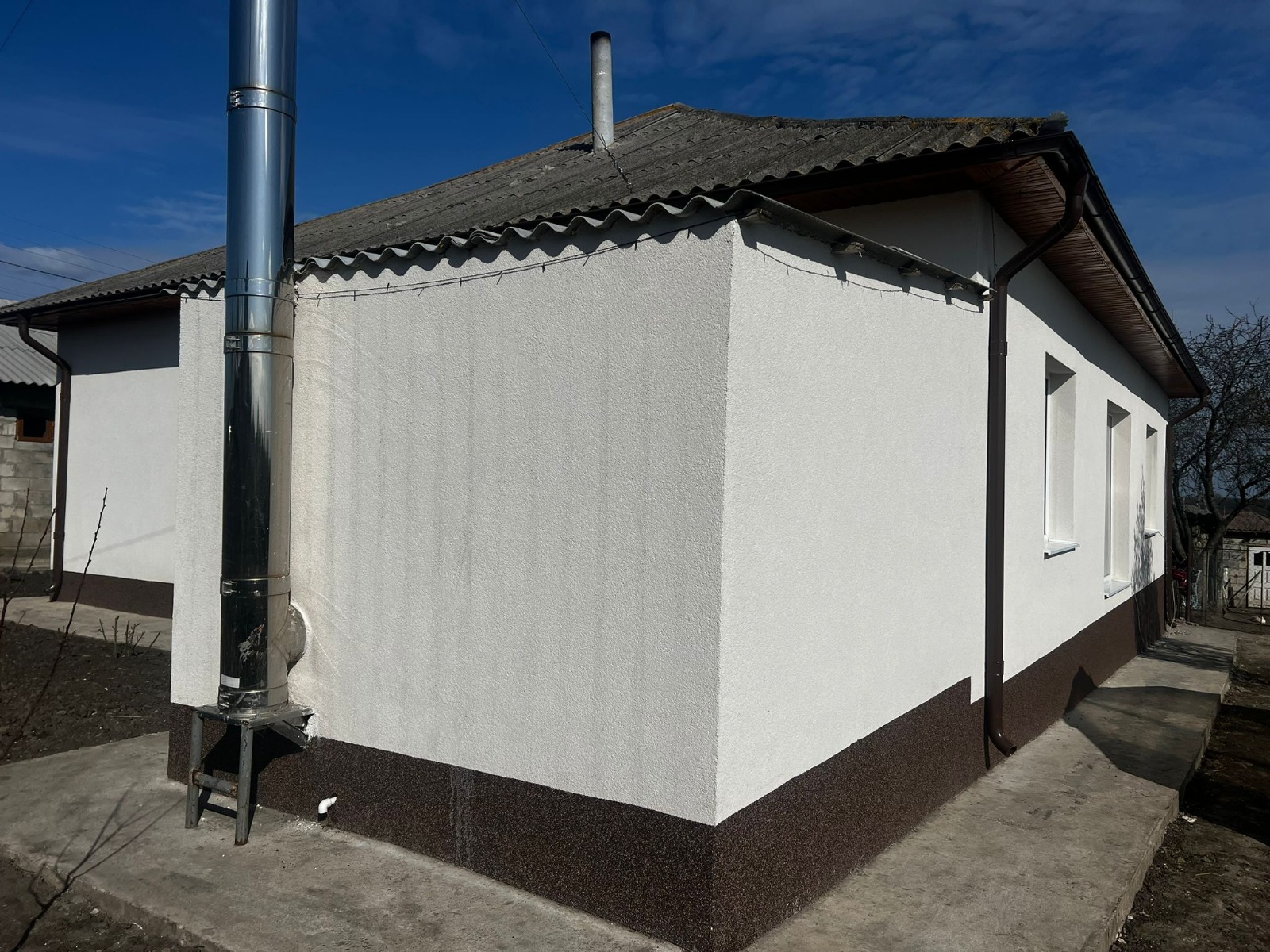 [5]
[5]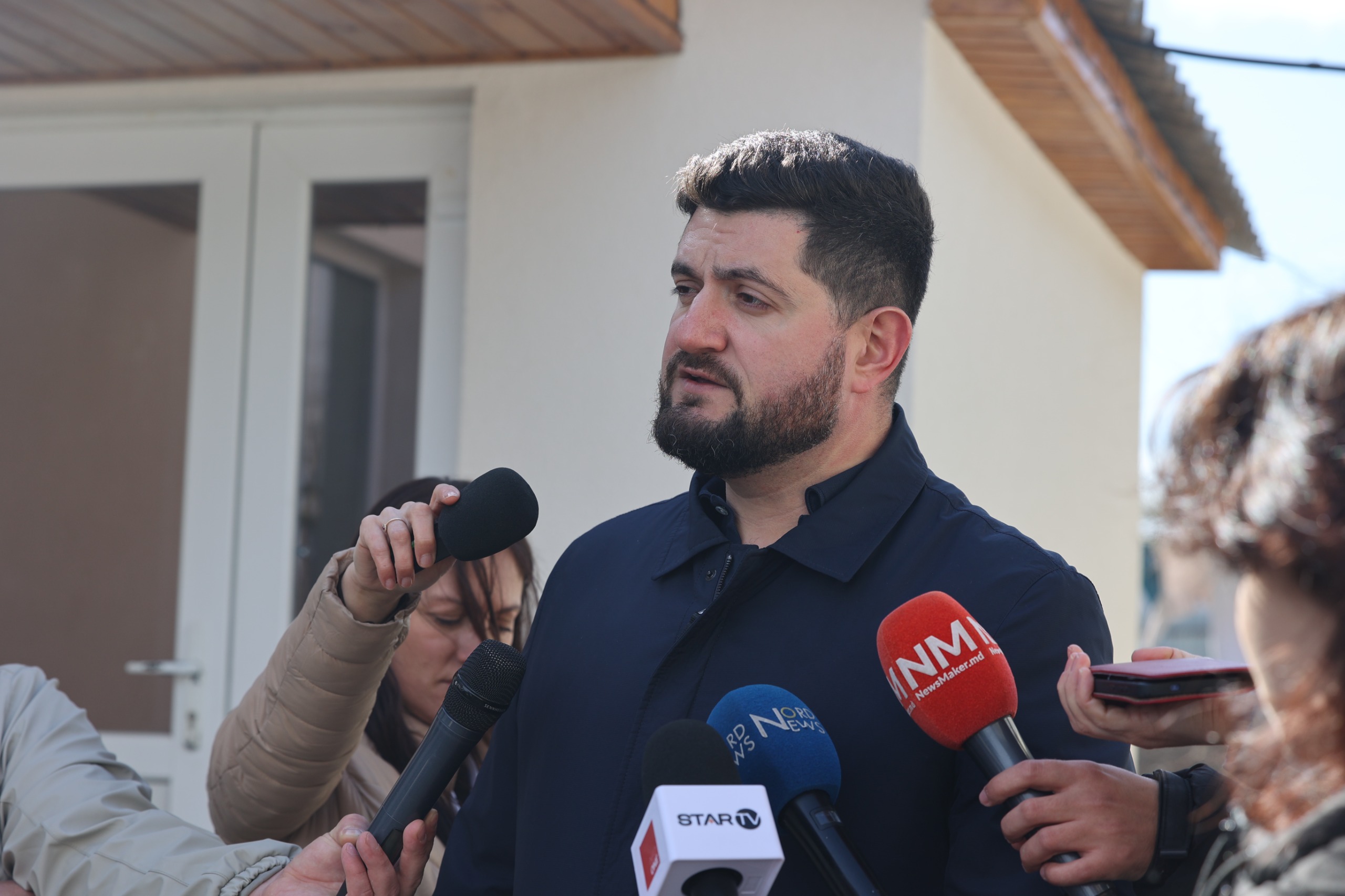 [6]
[6]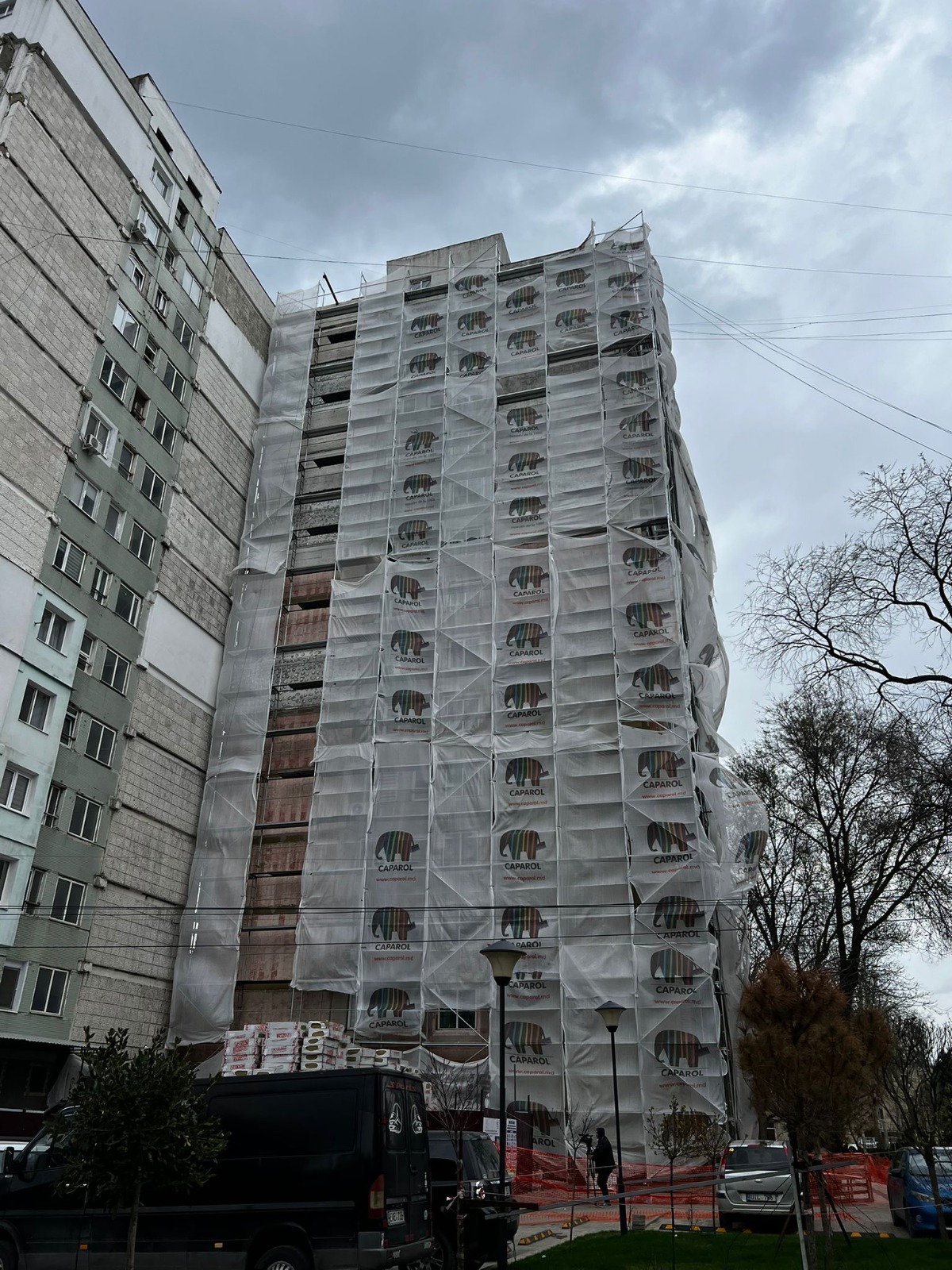 [7]
[7]