CNED and financial institutions lay the groundwork for accelerating energy renovation of residential buildings
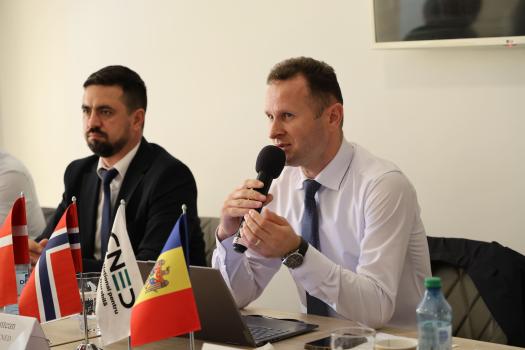
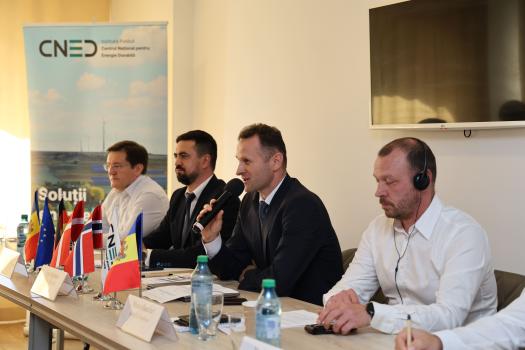
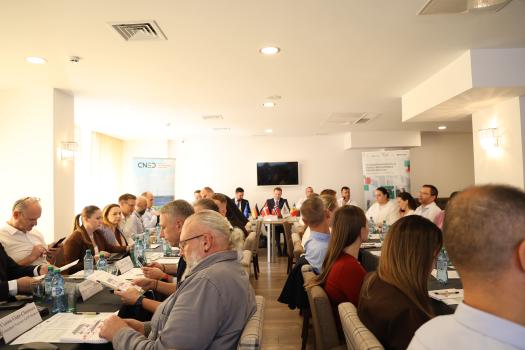
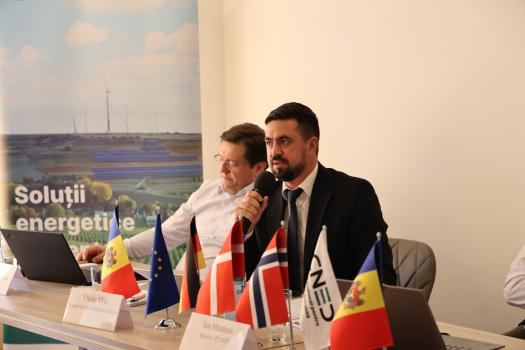
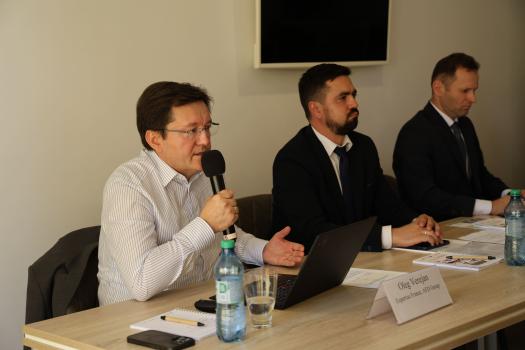
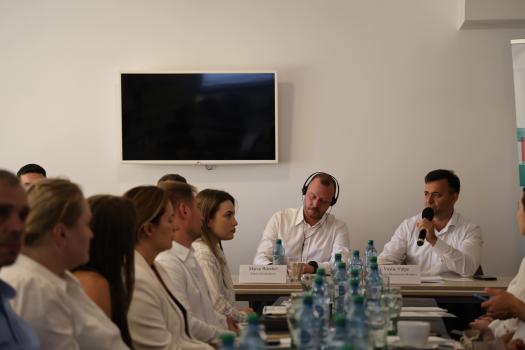
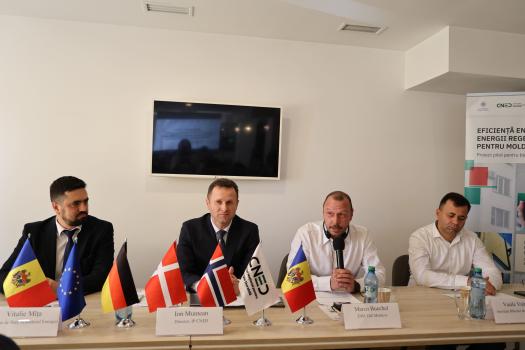

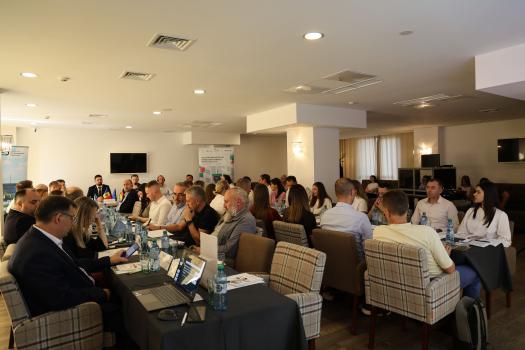
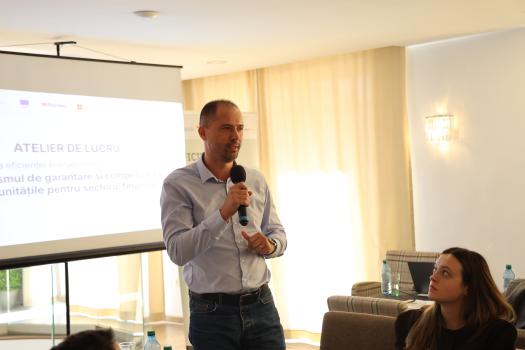


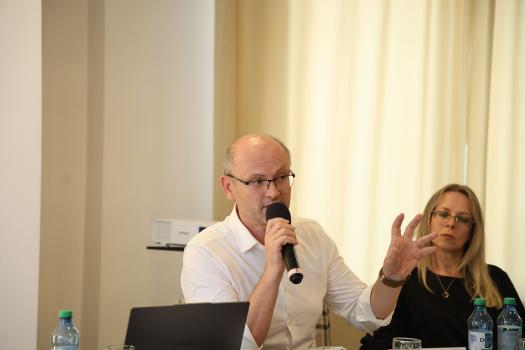
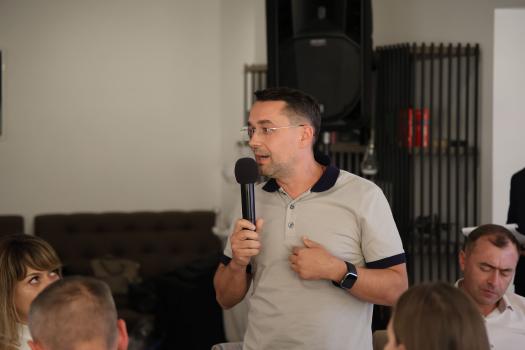

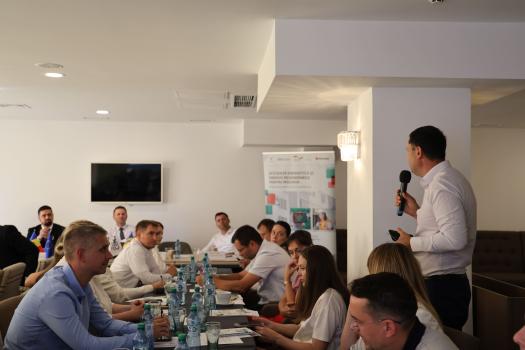
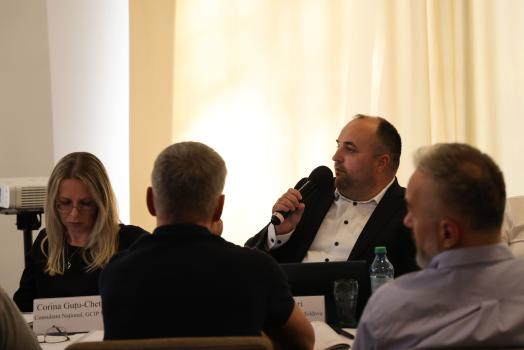

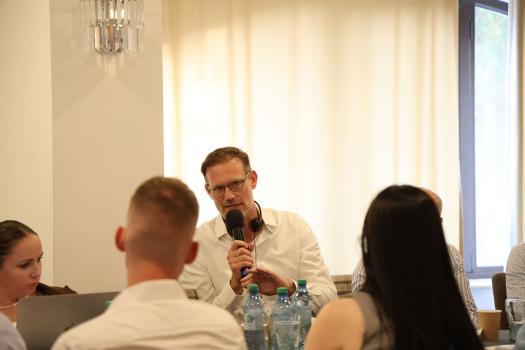
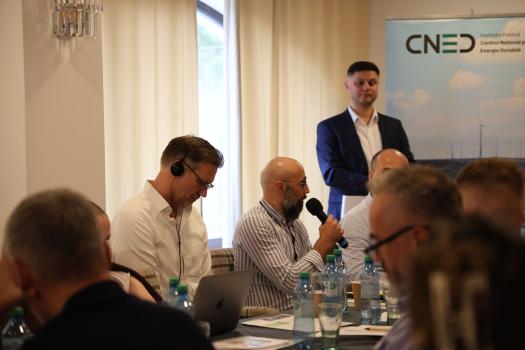
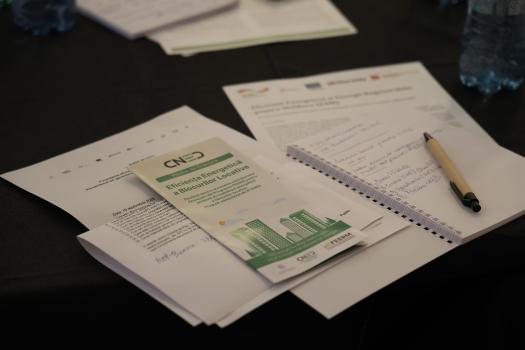
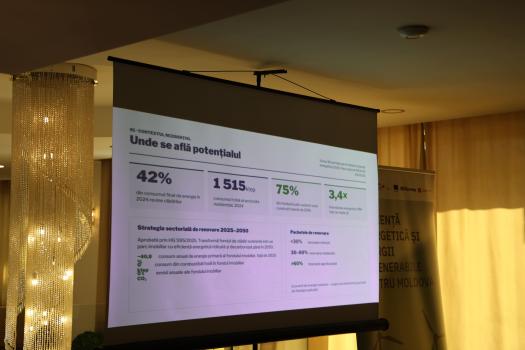
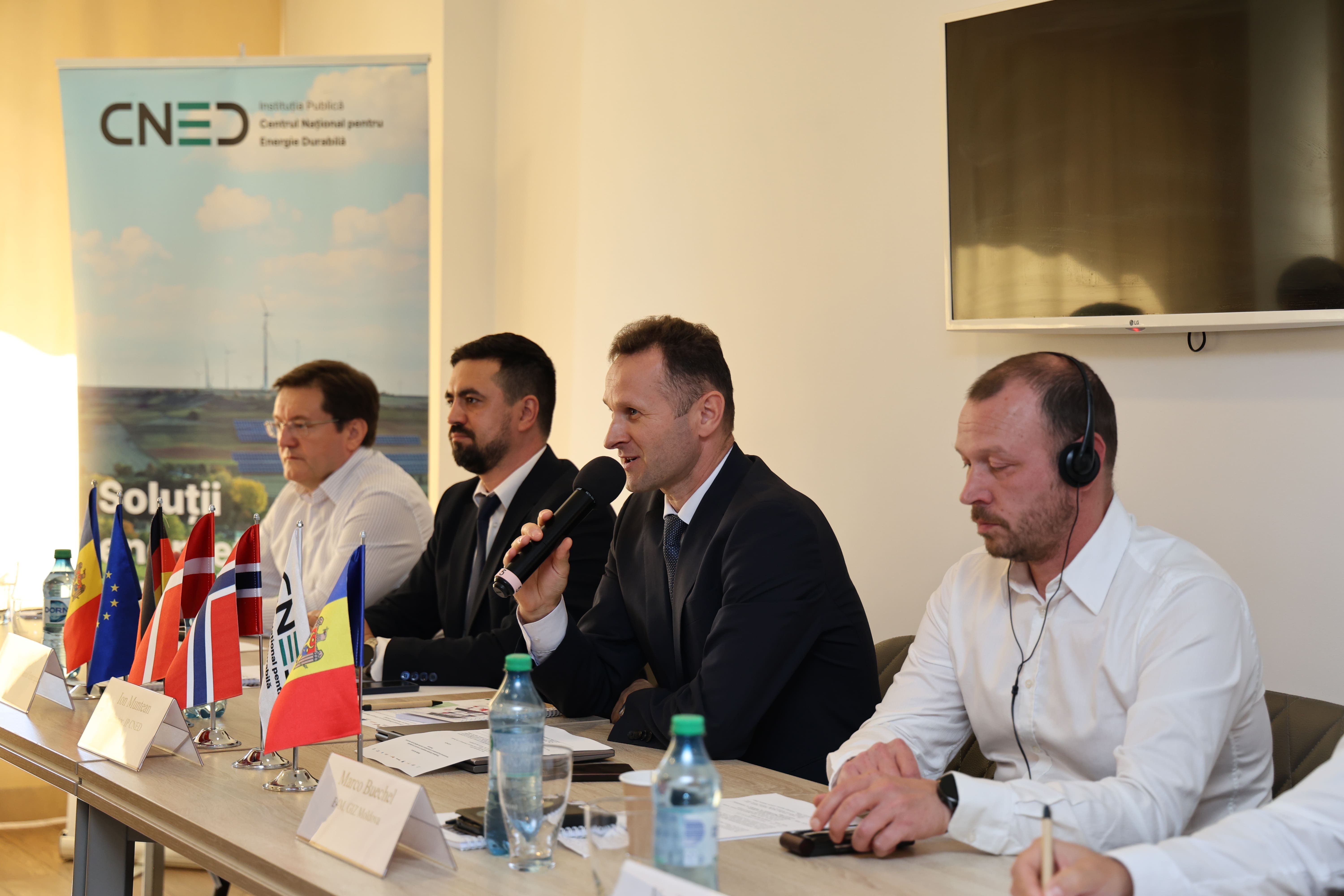
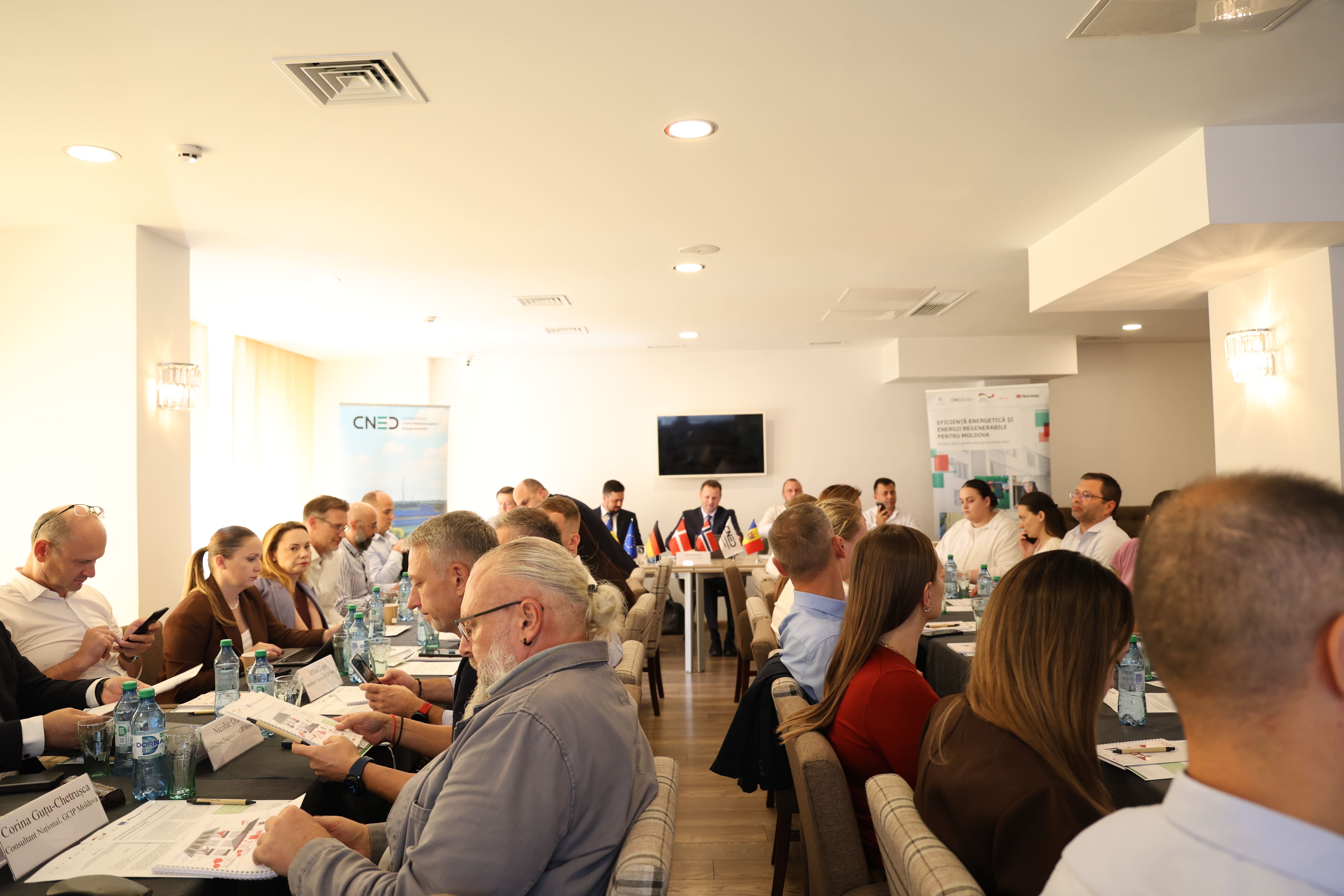
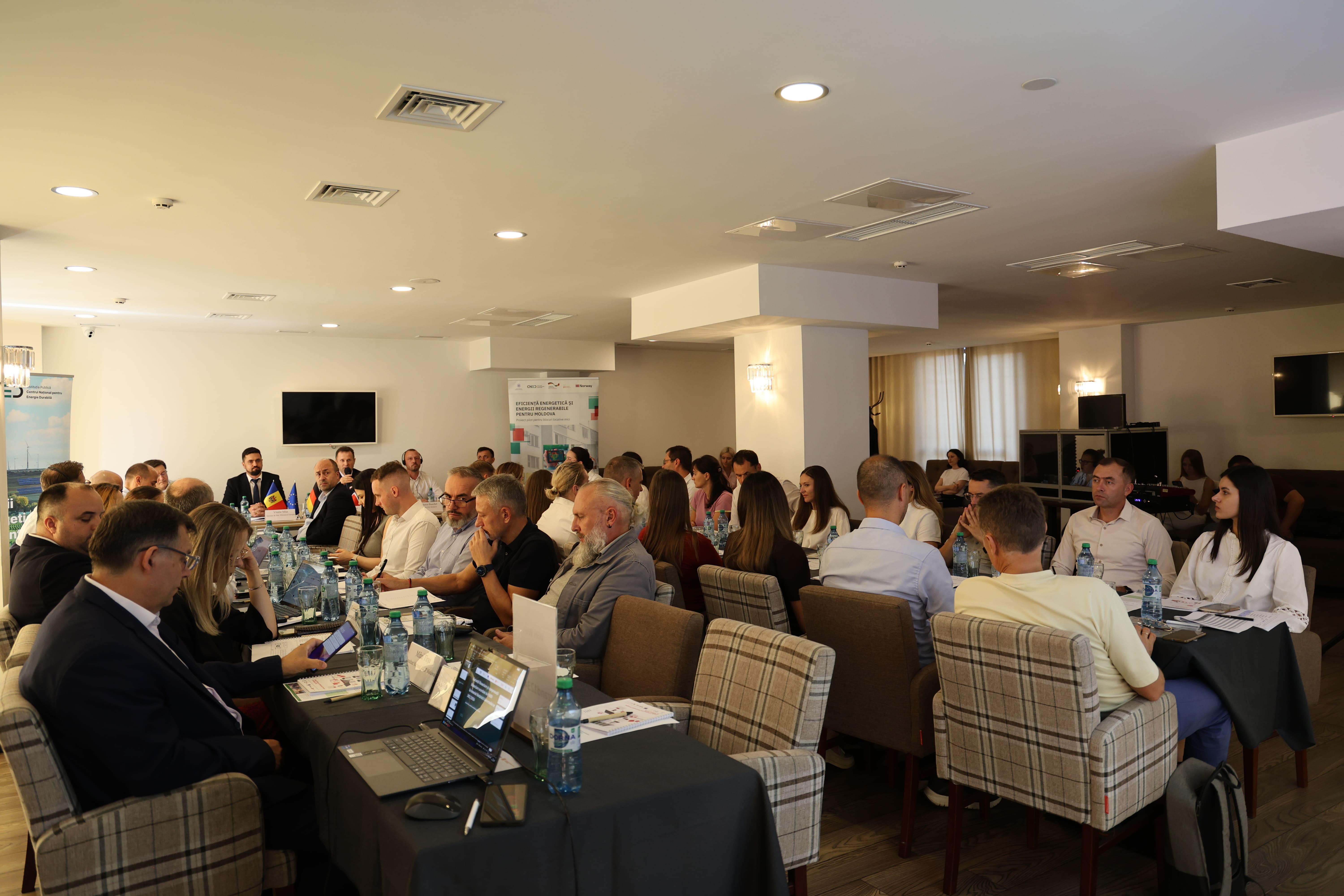
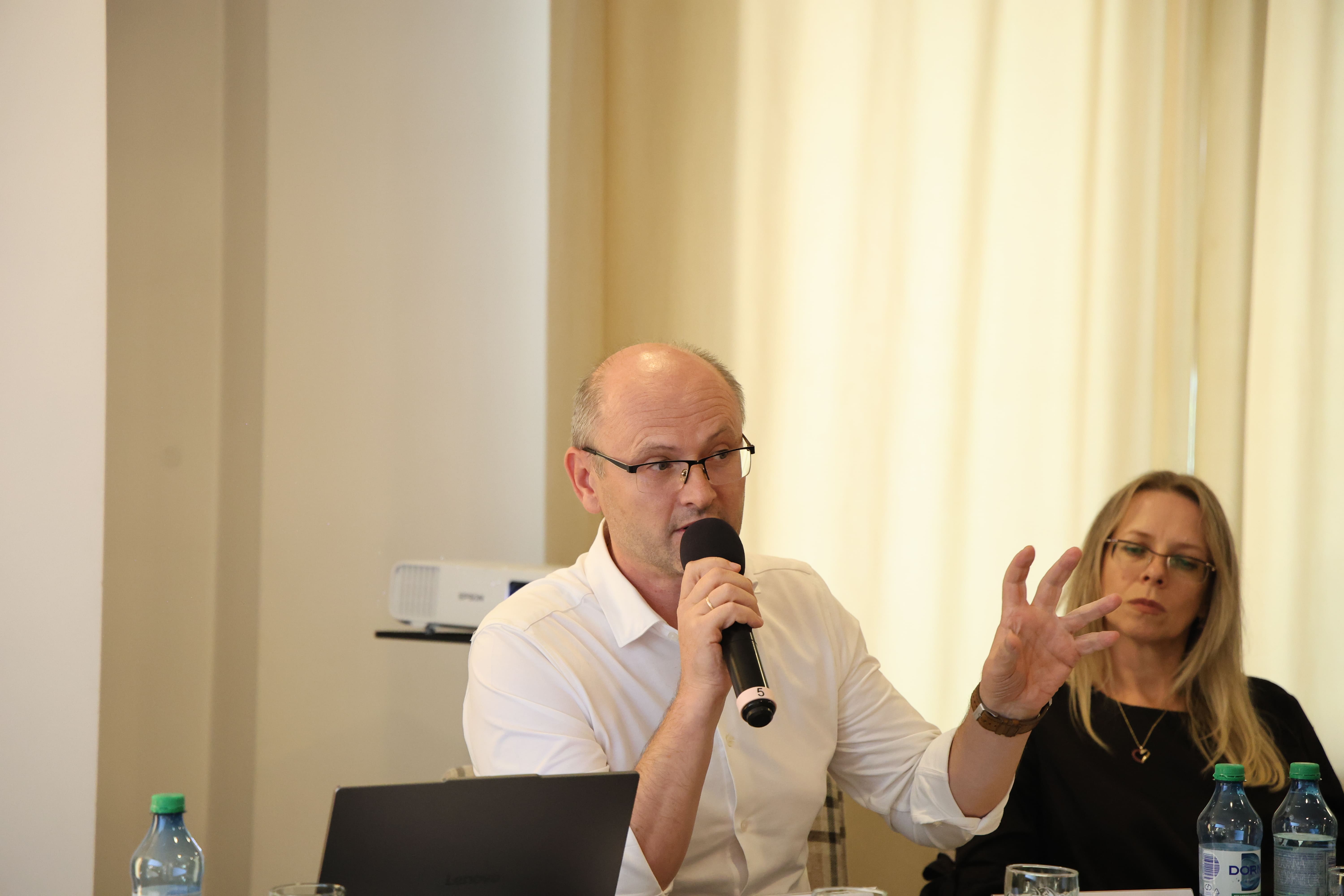
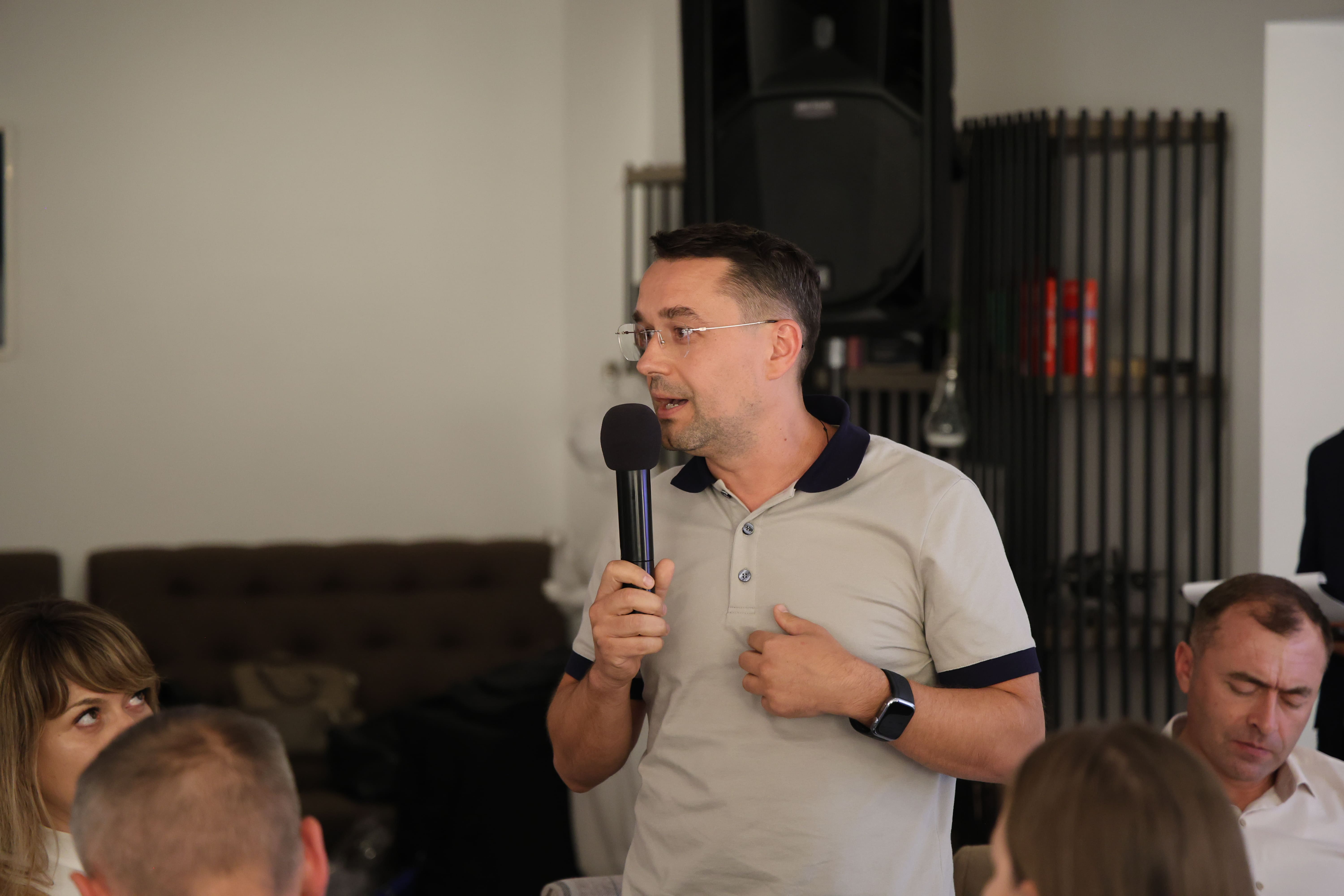
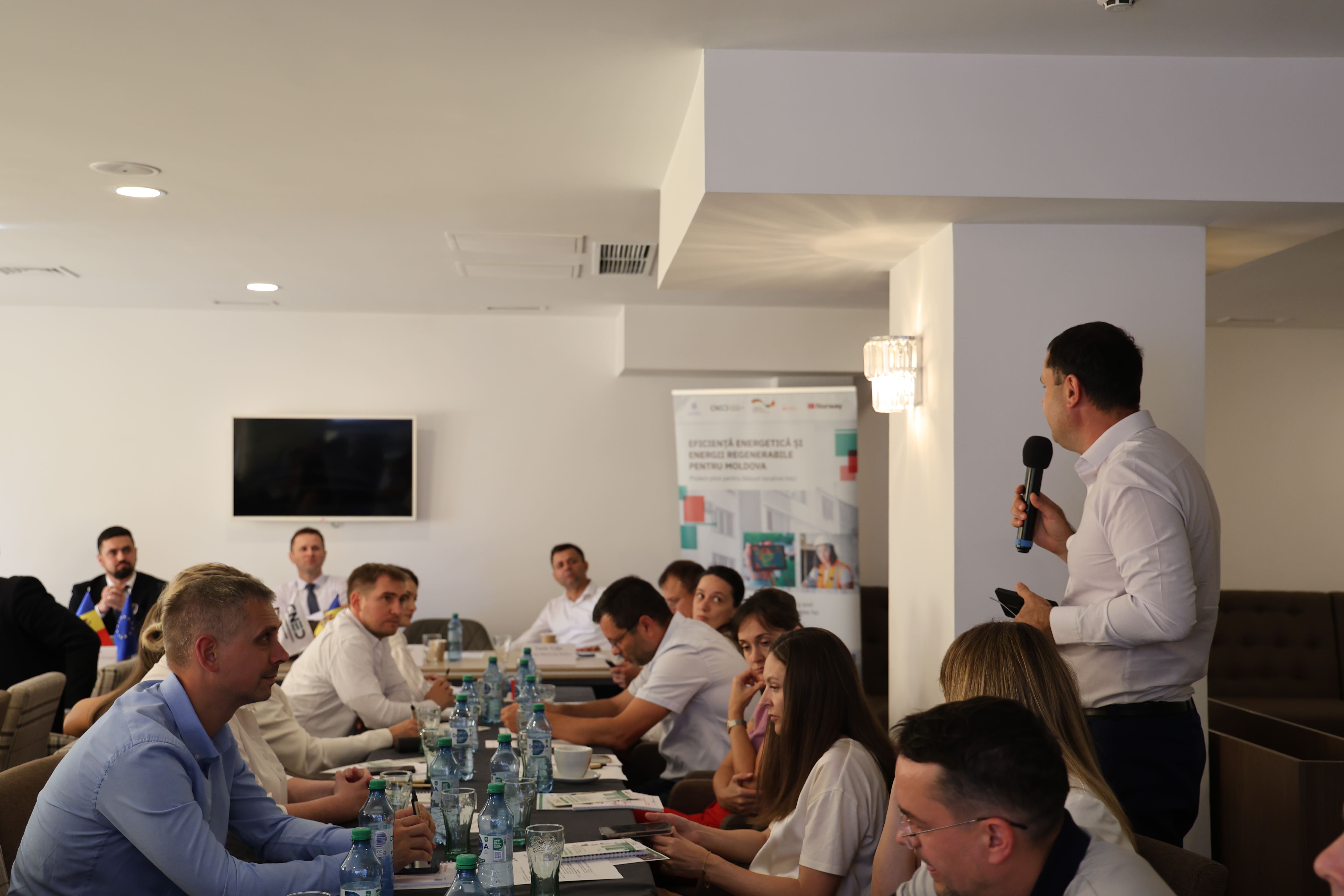
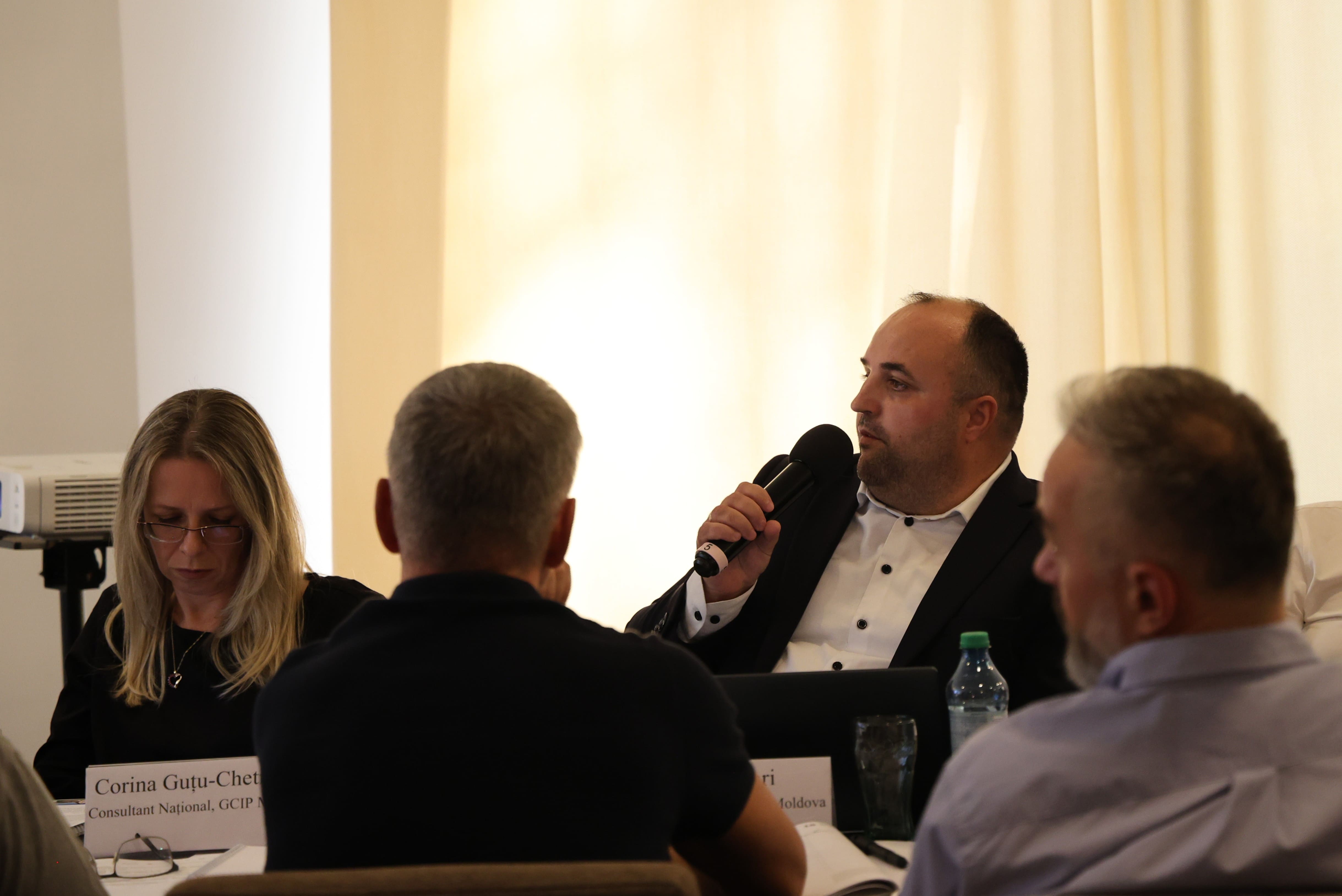
10 September 2026, Chisinau – Opportunities to expand financing for energy efficiency and renewable energy projects in the residential sector through the involvement of financial institutions were discussed at a workshop held in Chisinau.
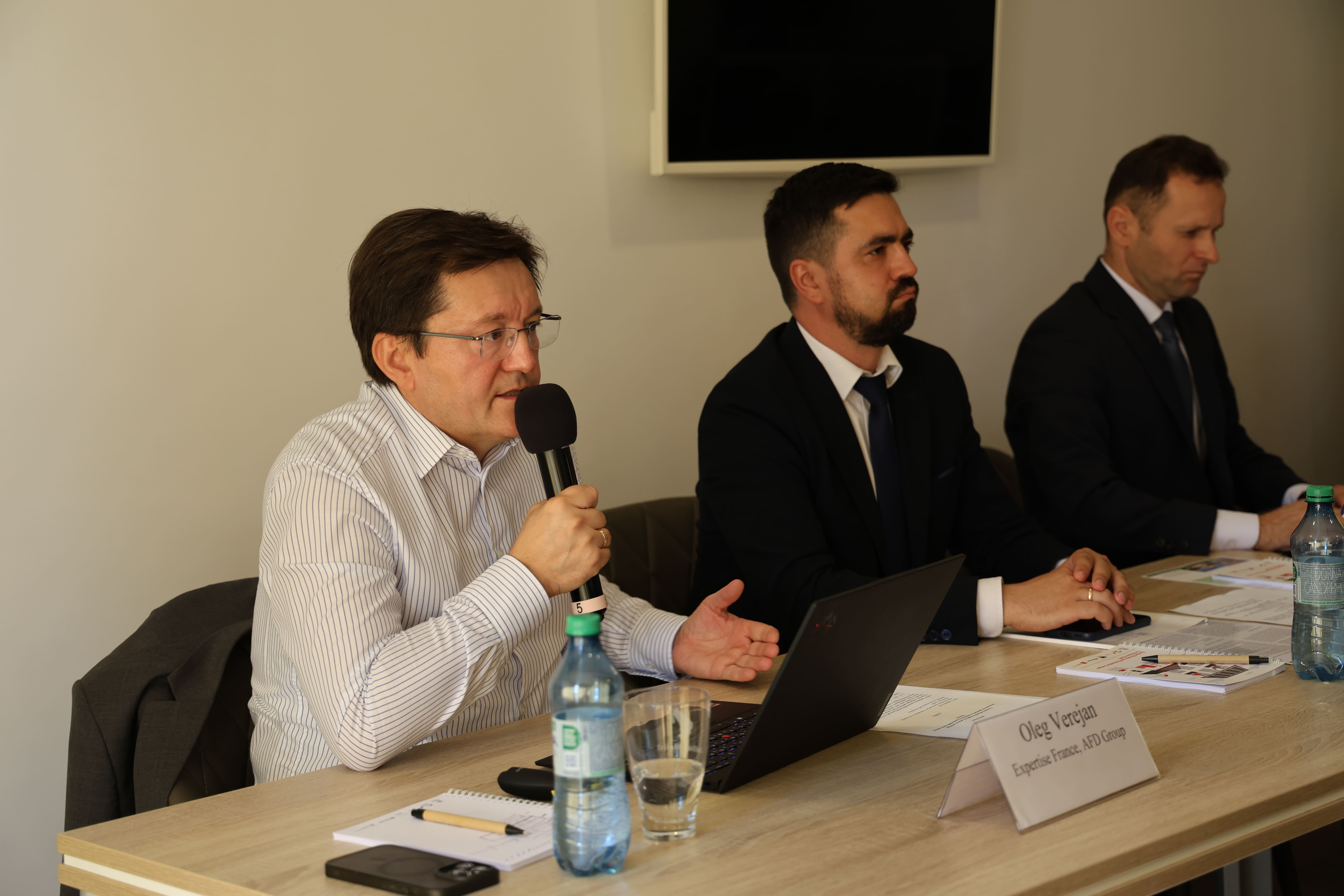
The event brought together representatives of public authorities, commercial banks, non-bank credit organisations, energy experts, and international partners. Discussions focused on identifying solutions to facilitate access to financing for energy renovation projects in apartment buildings and on developing financial products tailored to the needs of the residential sector.
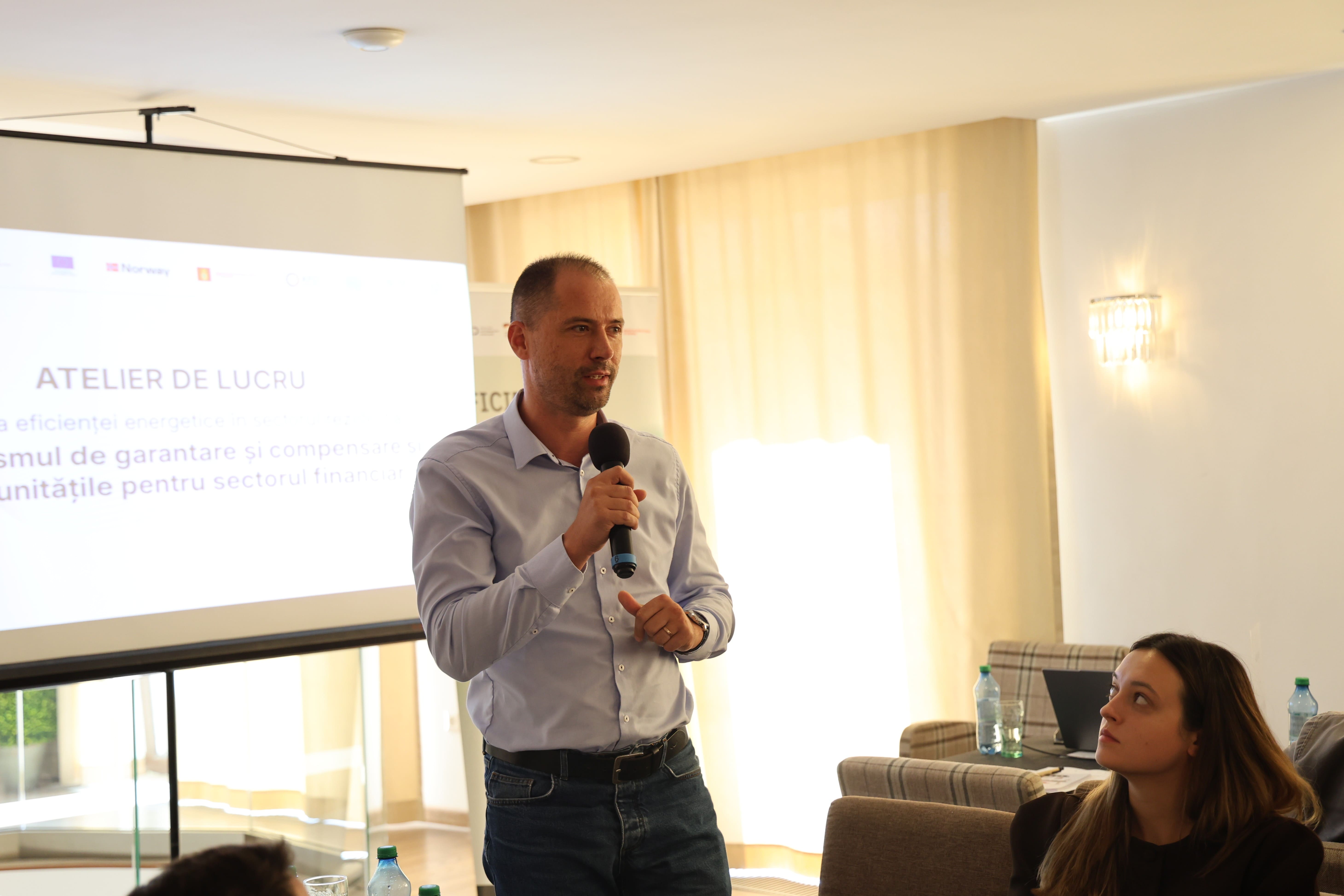
One of the key topics of the workshop was the new Mechanism for Issuing Financial Guarantees and Providing Financial Compensation, managed by the National Centre for Sustainable Energy (CNED). The Regulation was recently approved by the Government, and the instrument is expected to become operational in the coming period.
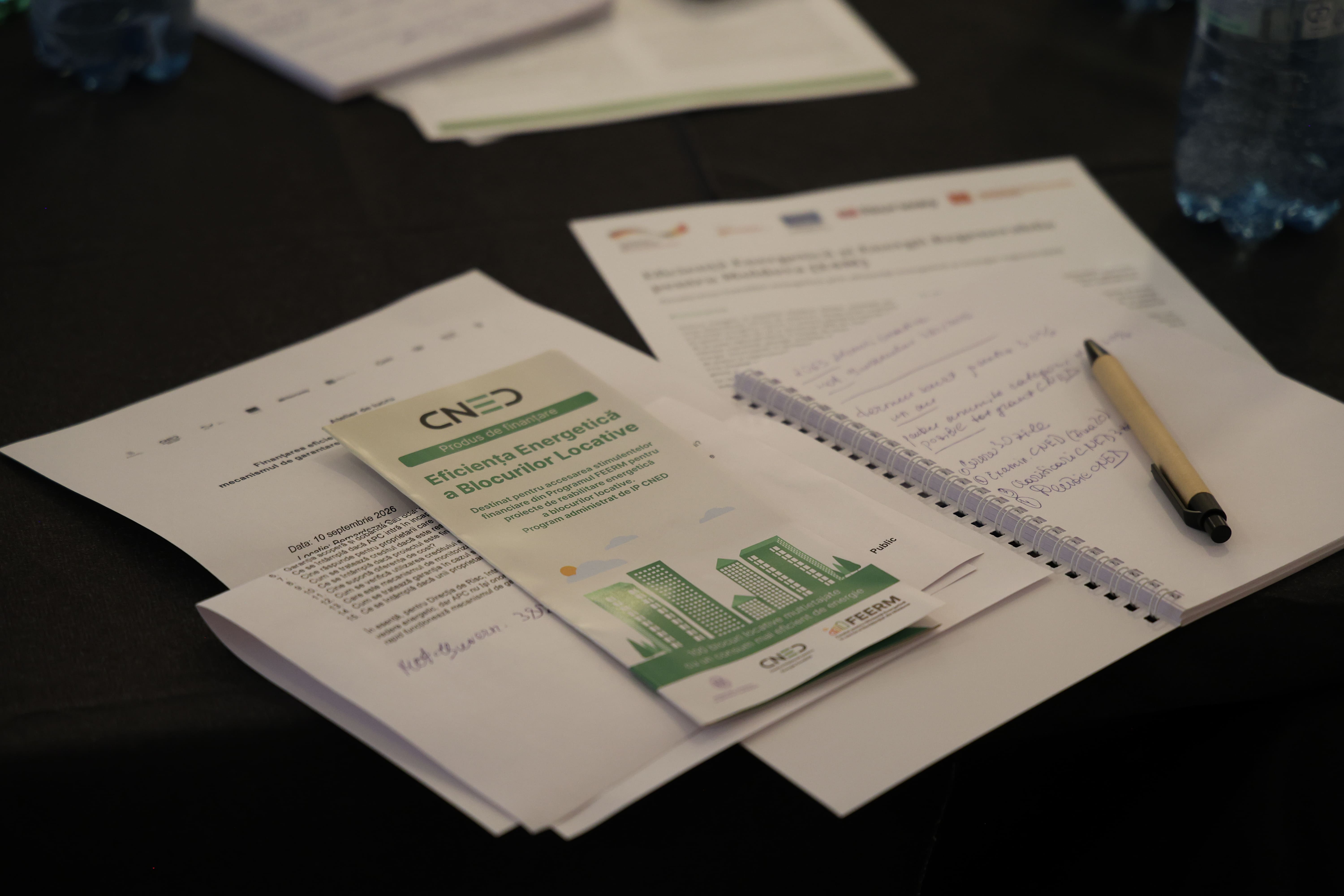
The new mechanism will complement the grant financing provided through the Energy Efficiency Fund for the Residential Sector of Moldova (FEERM) and will facilitate access for condominium owners' associations to loans covering their own contribution required for the implementation of energy renovation projects in multi-storey residential buildings.
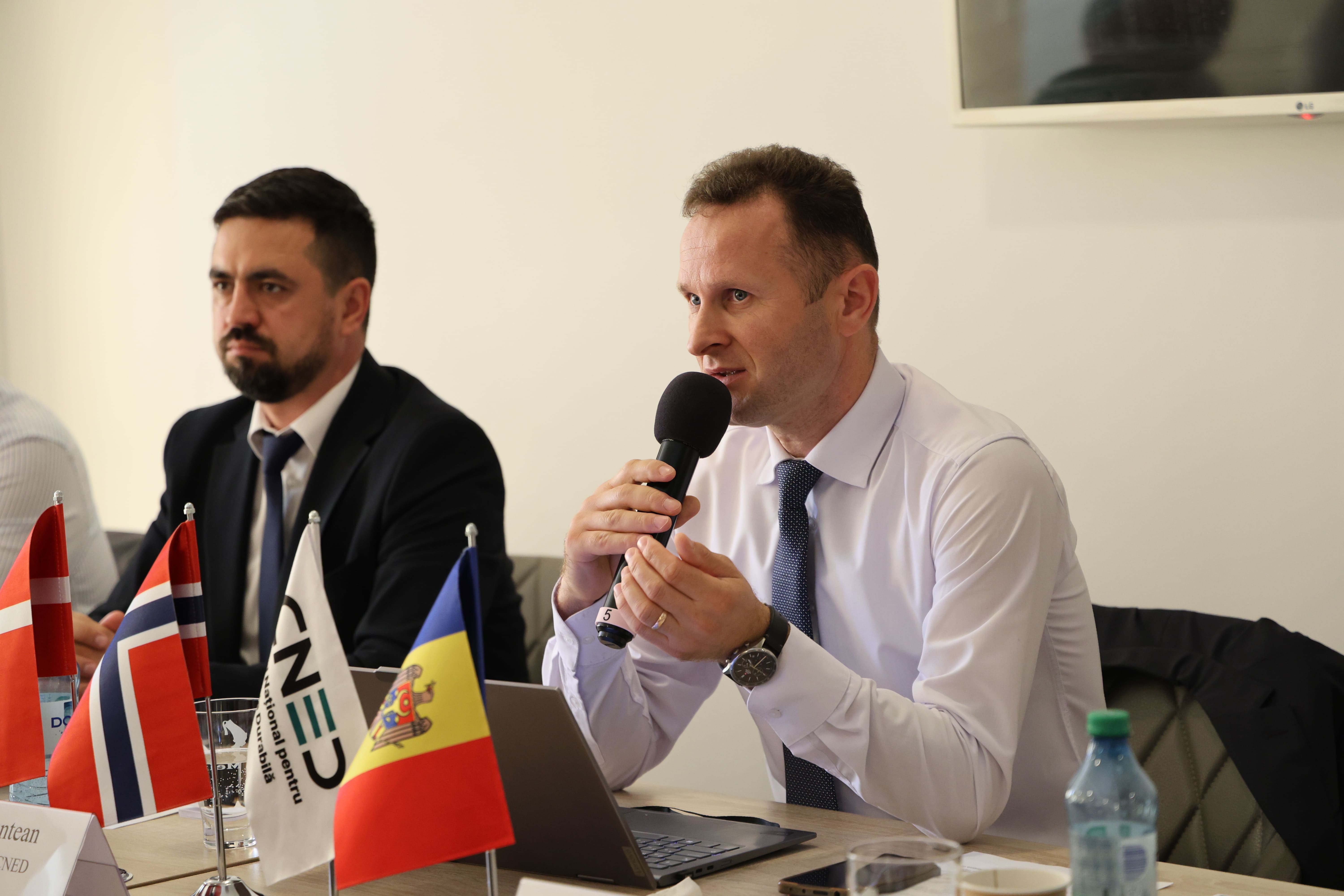
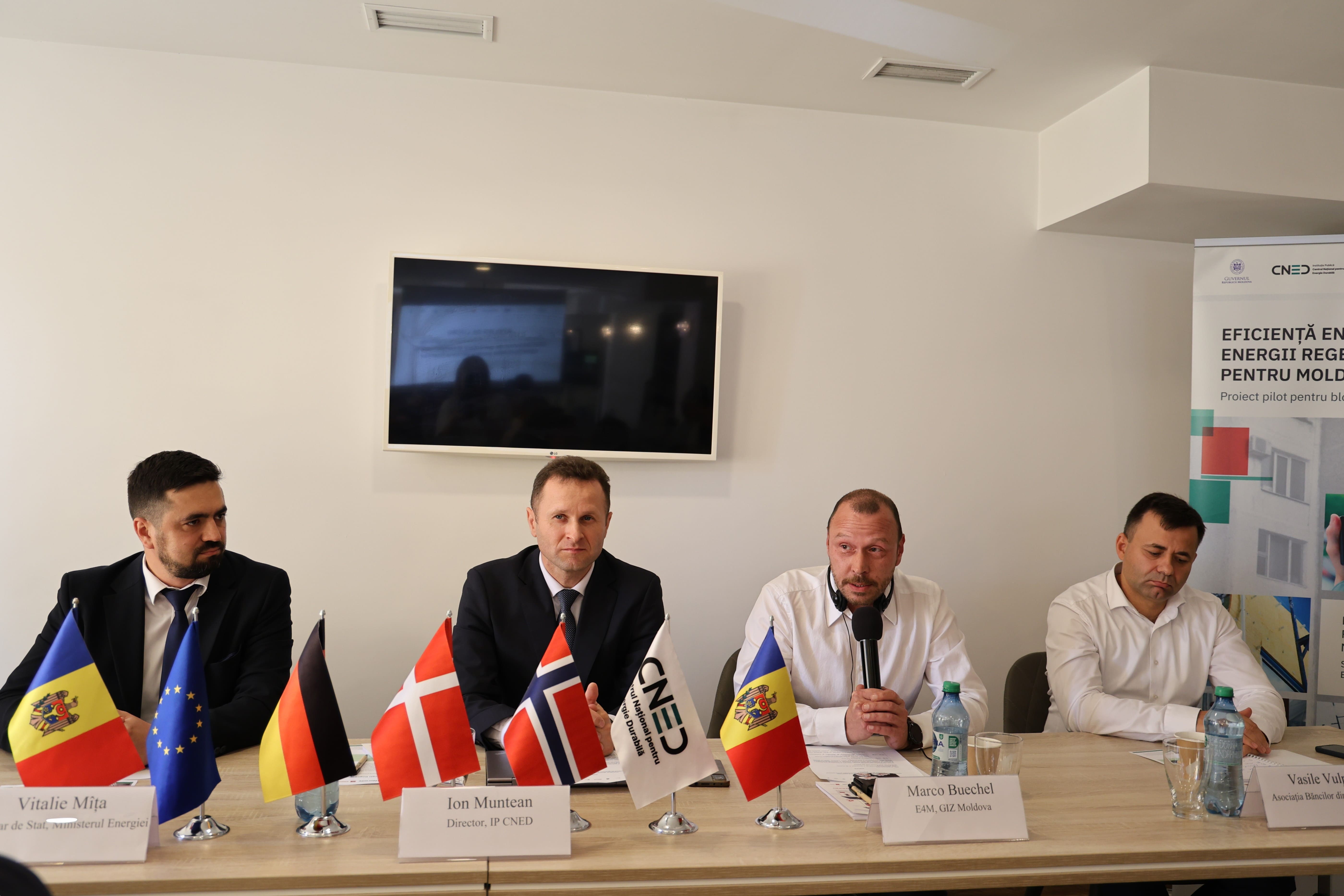
“For many condominium owners' associations, the required own contribution for an energy renovation project can represent a barrier. Through financial guarantees and interest rate compensation, we are providing associations with a concrete instrument that will enable them to access the financing they need more easily and implement larger-scale energy renovation projects. In the coming period, it will be important to prepare both financial institutions and beneficiaries so that the mechanism can be used effectively once it becomes operational,” said Ion Muntean, Director of CNED.
During the workshop, the two instruments provided under the mechanism were presented: financial guarantees for loans and partial interest rate compensation.
Vitalie Mîța, State Secretary of the Ministry of Energy, highlighted the importance of energy efficiency projects in improving housing comfort and citizens’ quality of life.
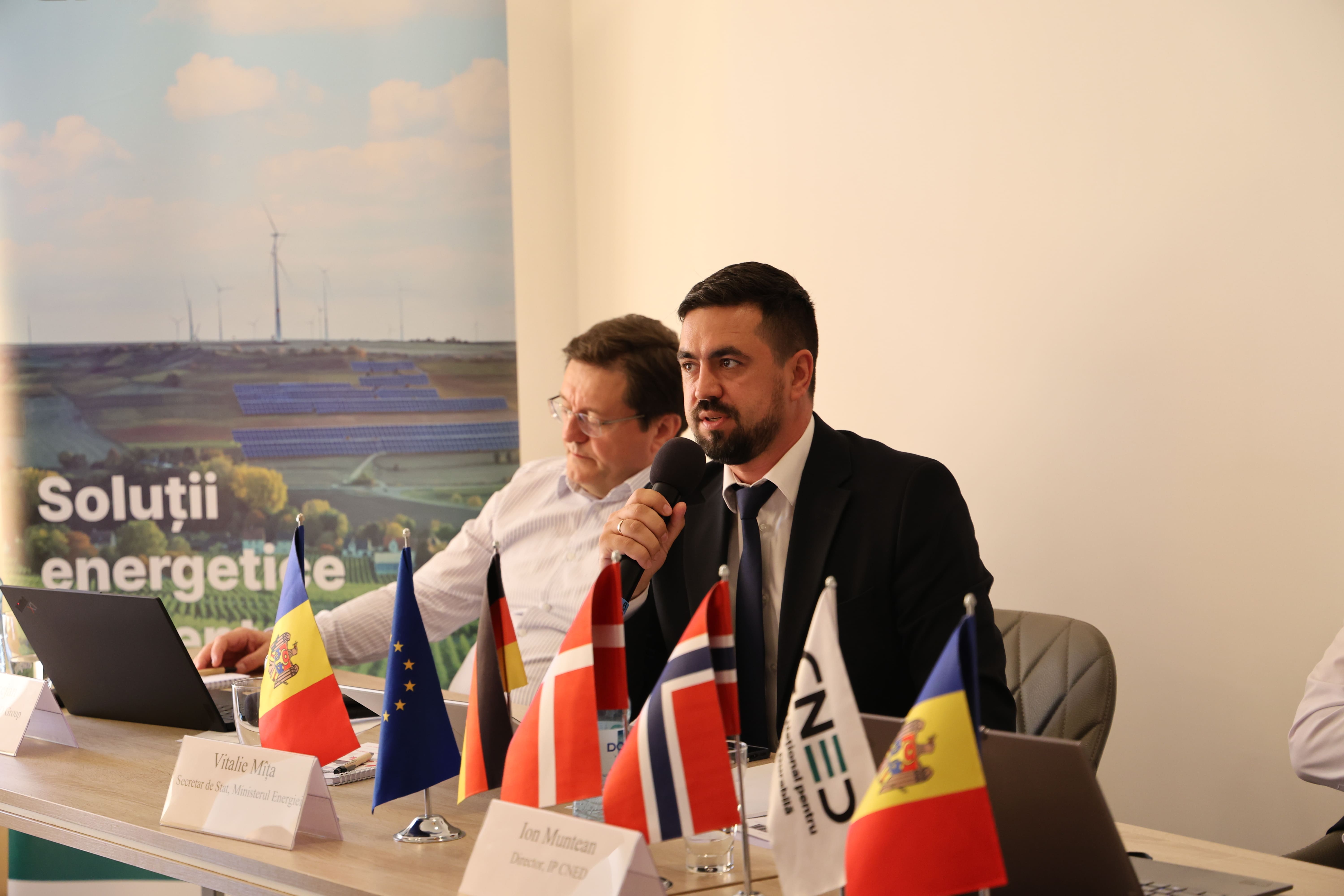
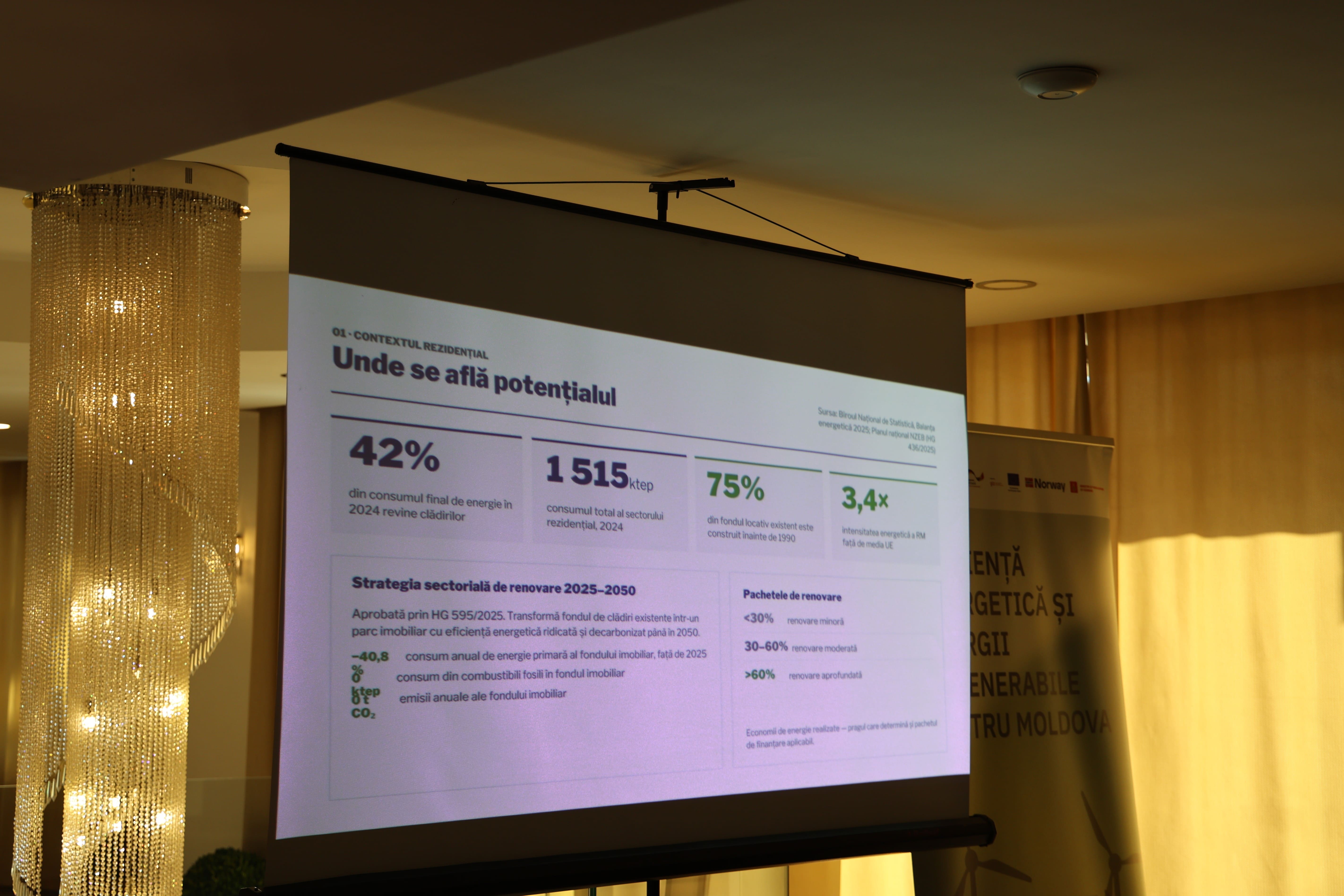
“A large part of Moldova’s housing stock was built during the Soviet period, when energy efficiency standards were very different from those we have today. These buildings now consume large amounts of energy to provide an adequate level of comfort, and this is directly reflected in household energy bills. Through the National Energy and Climate Plan (PNIEC), we have committed to ambitious targets for reducing energy consumption and renovating buildings, and achieving these targets requires us to accelerate investment in the residential sector. Energy efficiency means, first and foremost, more comfortable homes, lower heating costs and a better quality of life for citizens,” said Vitalie Mîța, State Secretary of the Ministry of Energy.
CNED will be able to issue financial guarantees in favour of lending institutions, covering up to 90% of the eligible loan amount, up to a limit of MDL 10 million per beneficiary. The guarantee will reduce the risk assumed by the lender and facilitate associations’ access to the financing required for building renovations.
The mechanism will also provide for interest rate compensation. CNED will directly pay the credit institution the difference between the applicable interest rate and the rate borne by the beneficiary. Eligible loans will be provided in Moldovan lei for a period of up to seven years, with the beneficiary paying an effective interest rate of no more than 5% per year. In addition, a one-time loan origination fee of up to 0.5% of the loan amount and an annual guarantee fee estimated at 1–1.5% of the outstanding guaranteed loan balance will apply.
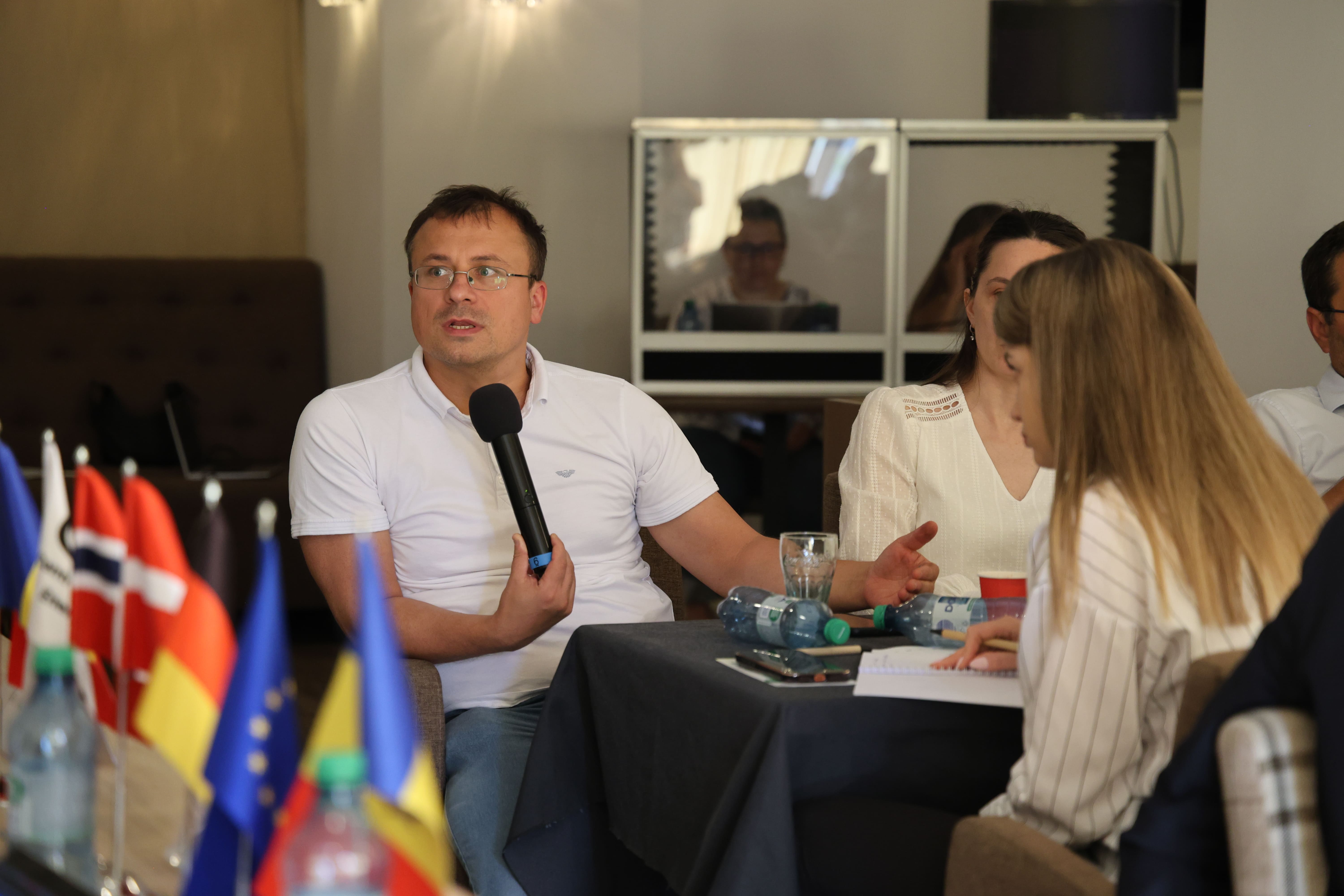
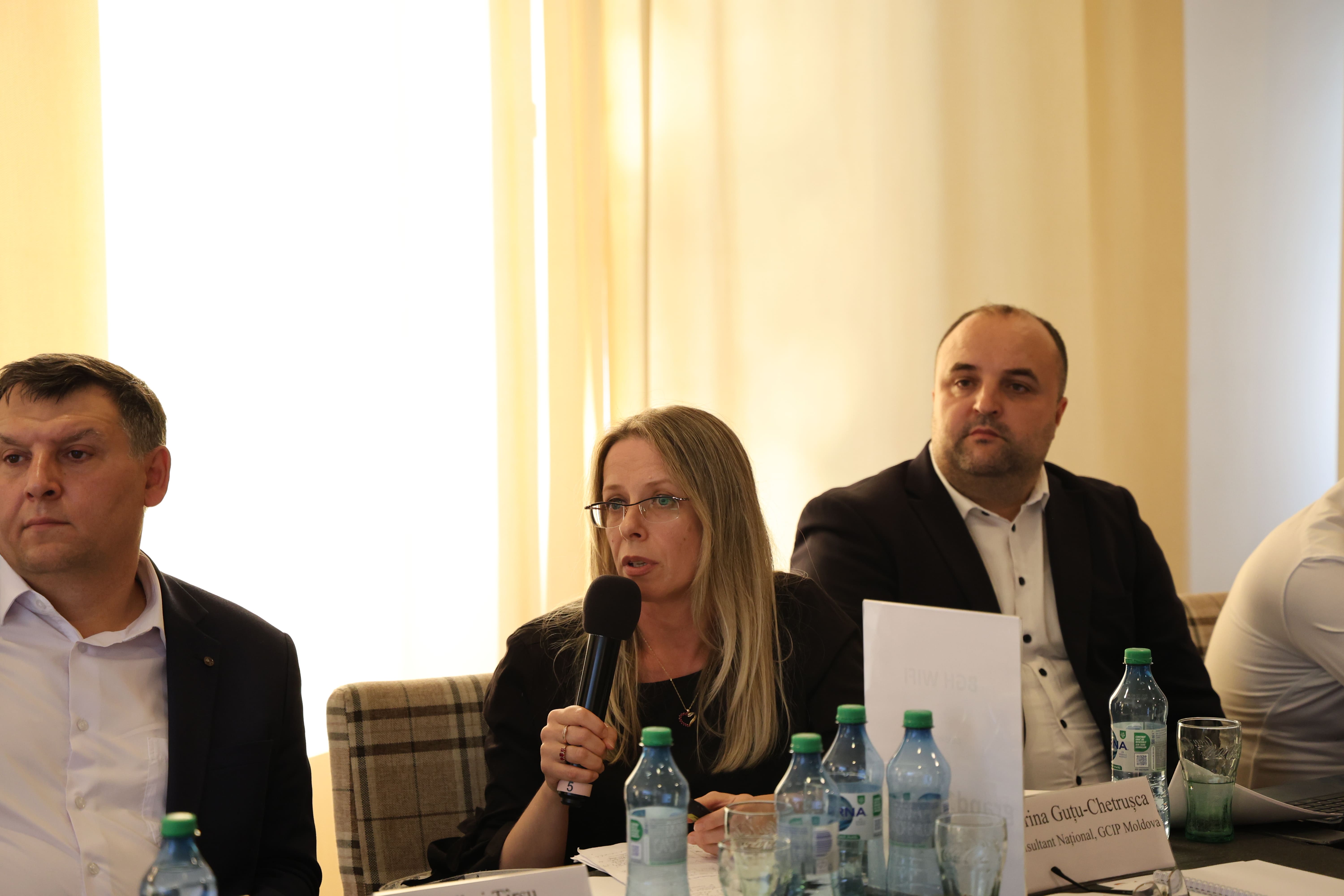
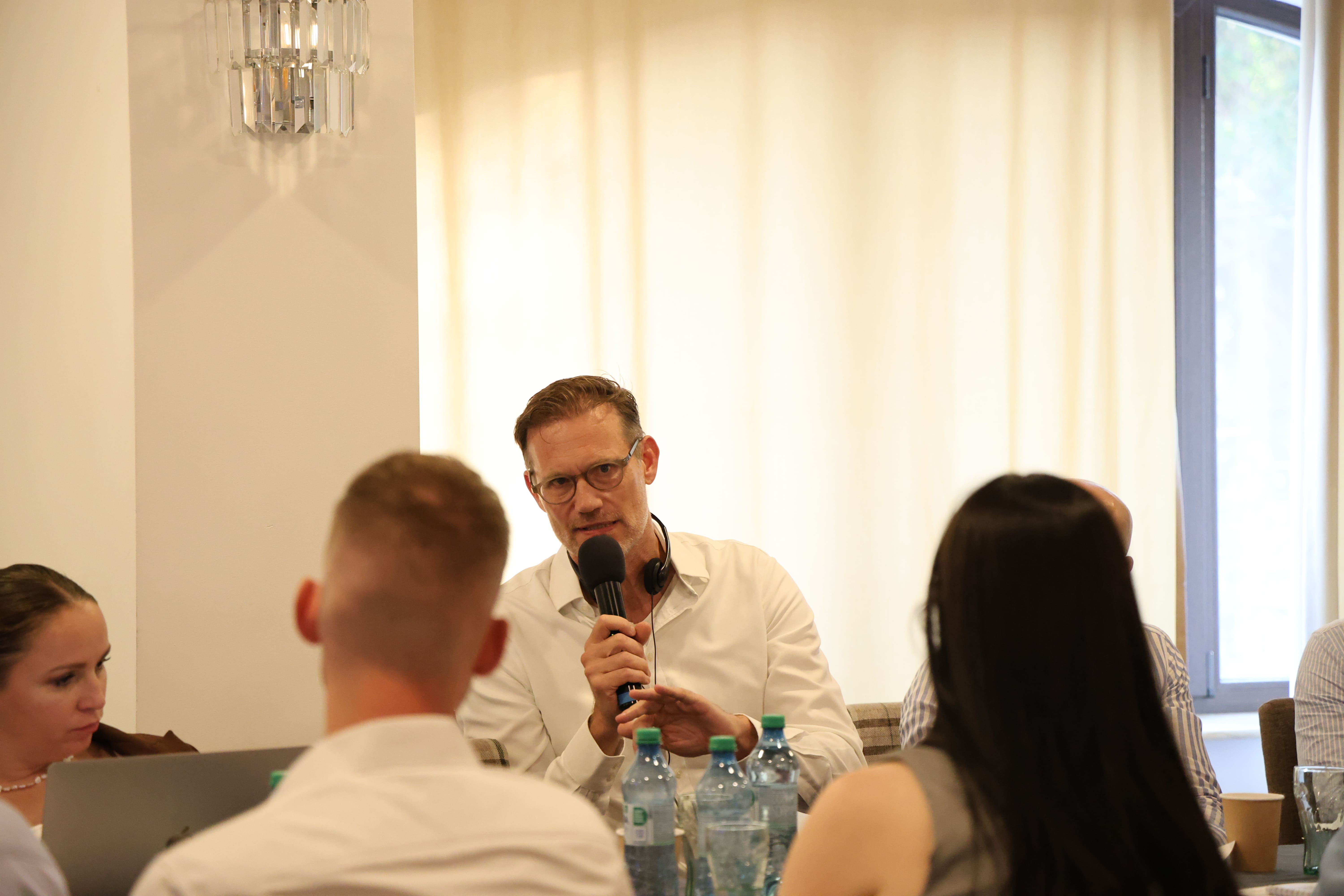
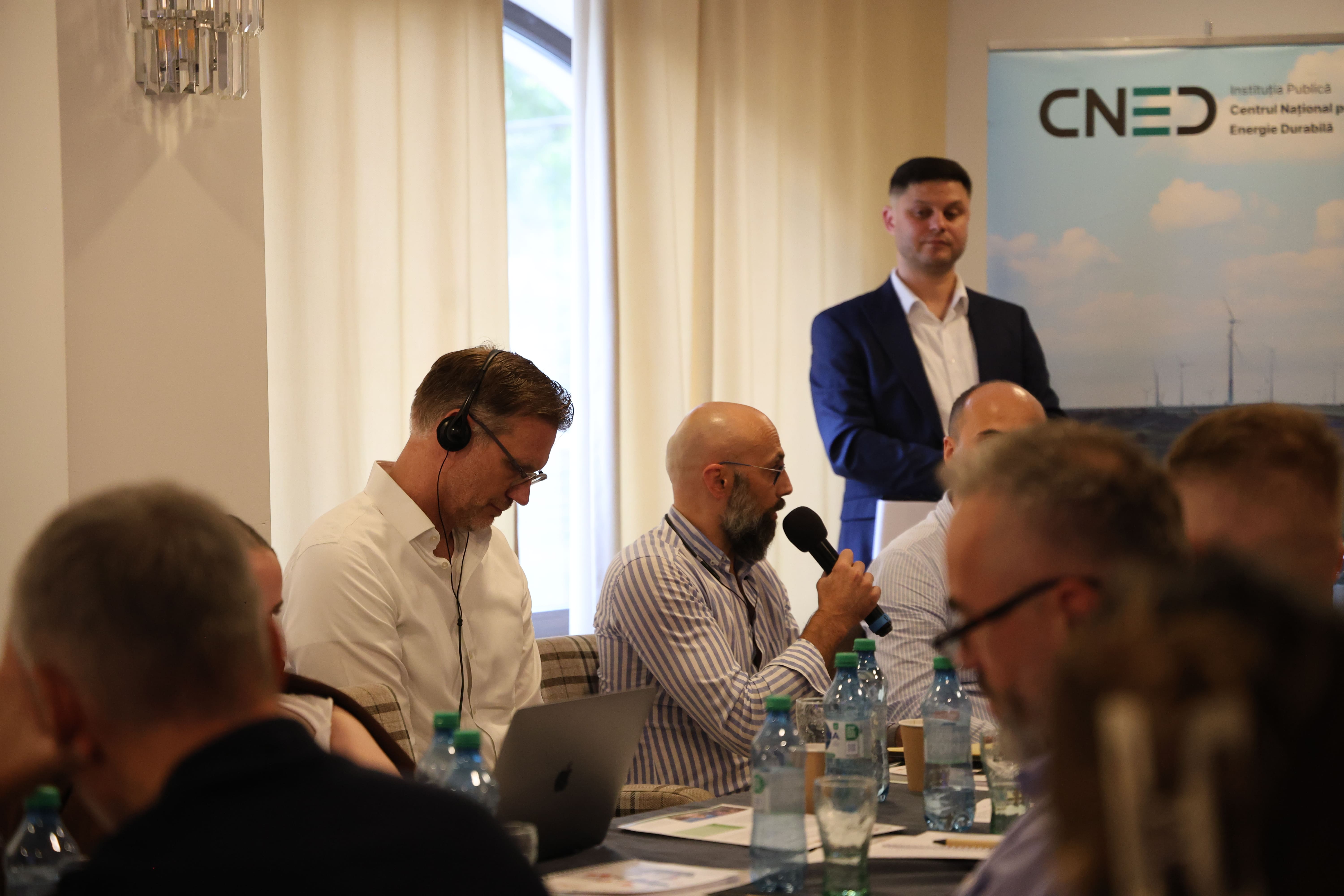
The workshop also provided a platform for sharing experience among the financial sector, public authorities and experts, as well as for identifying the steps needed to prepare the market for the operationalisation of the new mechanism.
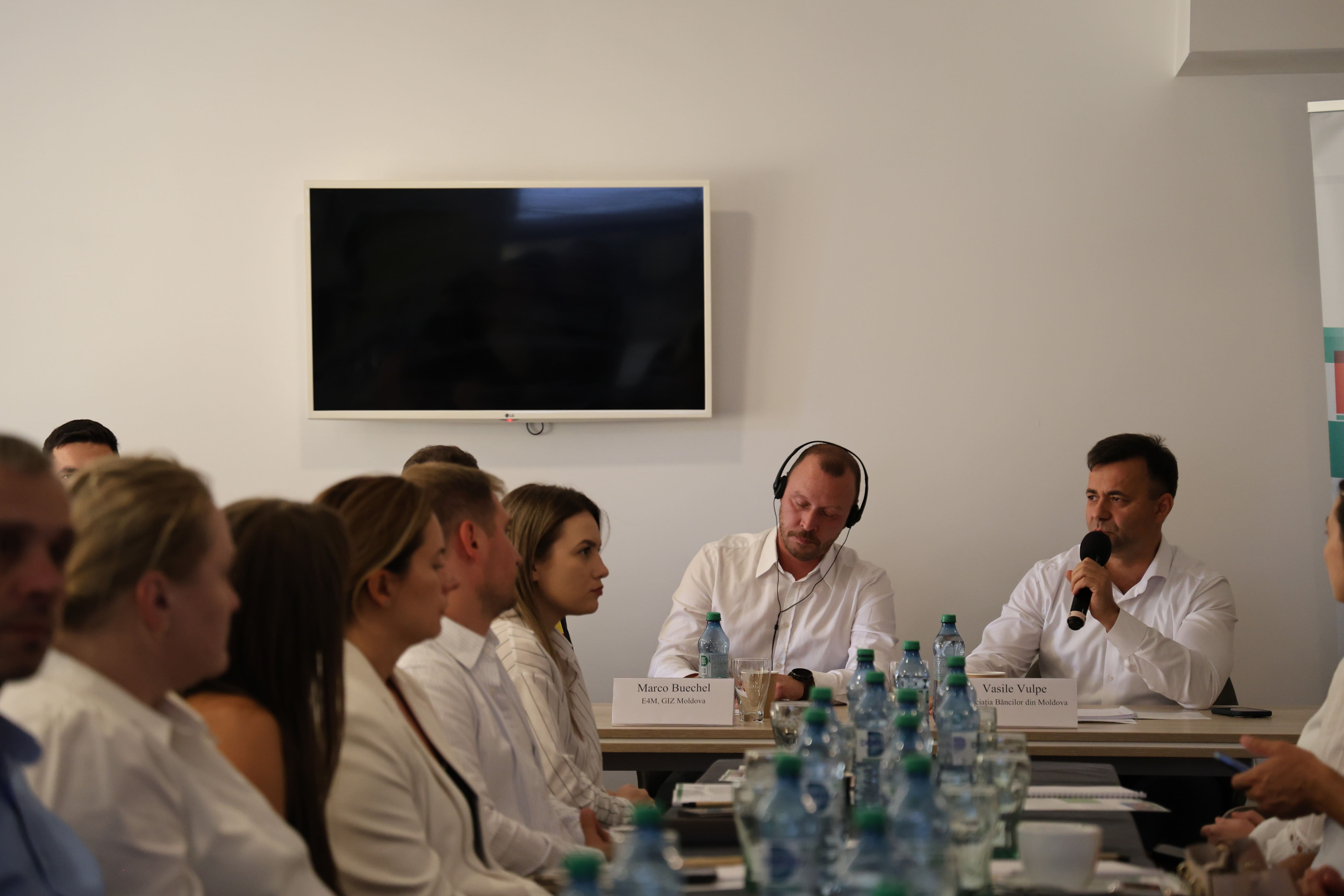
“Energy efficiency in the residential and public sectors is a relatively new market, including for the financial sector, and project financing is specific, particularly when condominium owners’ associations are involved as borrowers. It is therefore important to jointly identify solutions that will enable financial institutions to become more actively involved in financing energy renovations,” said Vasile Vulpe, representative of the Association of Banks of Moldova.
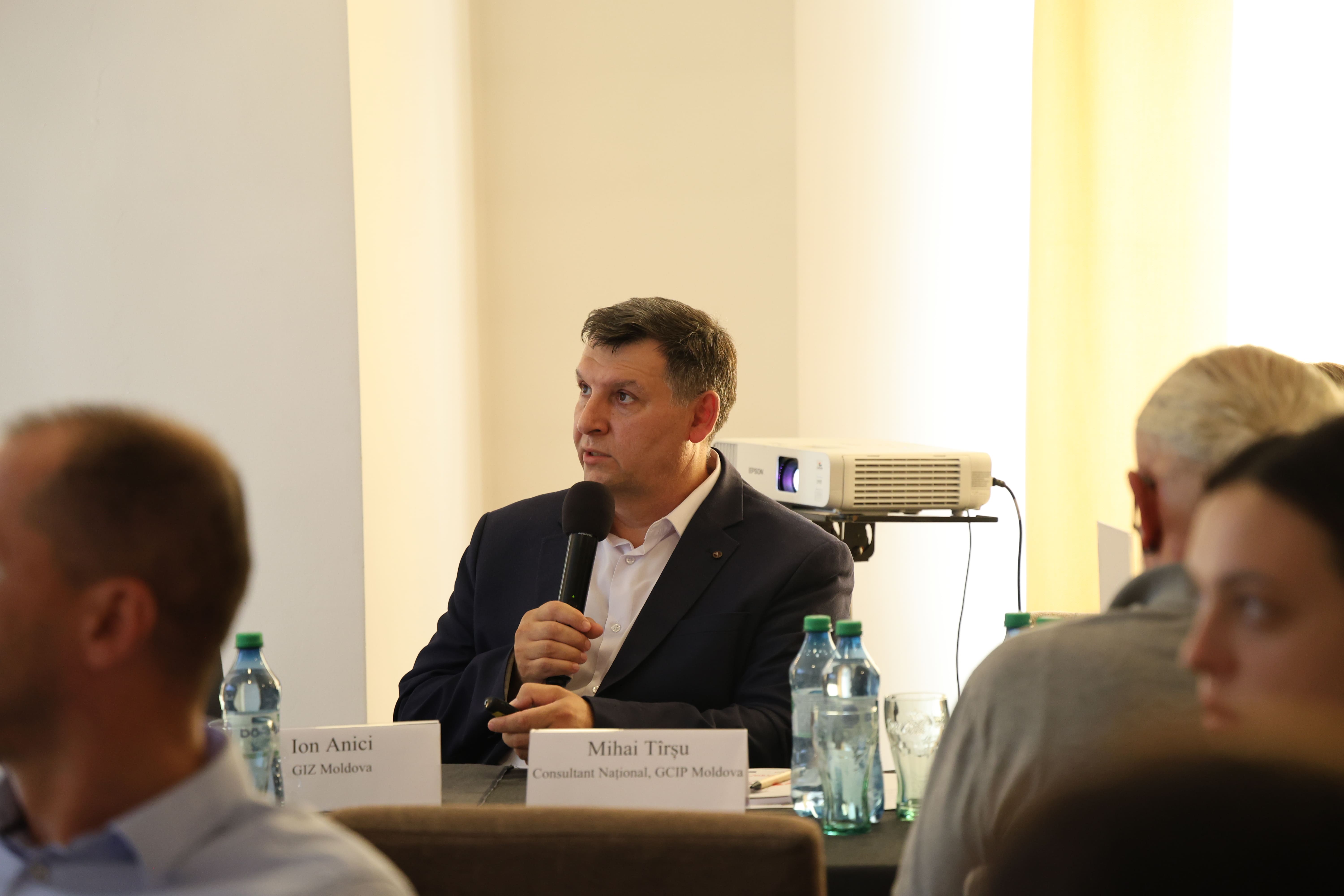
“Public funds alone will not renovate Moldova’s residential buildings. Private capital is necessary and must play its part. The guarantee and interest compensation instrument under FEERM, managed by CNED, was created to reduce the risks associated with lending to condominium owners’ associations, enabling banks to finance a segment they have so far approached cautiously due to the risk profile of some such clients. This is how Moldova can move from renovating a few buildings to achieving a renovation rate commensurate with the needs of the sector. More importantly, this instrument turns commercial banks’ loan portfolios into a direct contributor to achieving Moldova’s national energy efficiency targets,” said Marco Buechel, Implementation Manager at GIZ Moldova.
Discussions also covered the relevant legal and regulatory framework for sustainable finance in the residential sector, technical and financial aspects of energy efficiency and renewable energy projects for assessing their feasibility, ESG criteria in green financial products, as well as financing opportunities for renewable energy communities associated with residential apartment buildings. These instruments can contribute to the development of projects combining energy efficiency measures with the production and use of renewable energy.
The event was organised by the National Centre for Sustainable Energy (CNED) in partnership with Expertise France – AFD Group, the GCIP Moldova Project, implemented by CNED and financed by the GEF, and the E4M Project, implemented by GIZ and financed by Germany, the European Union, Norway and Denmark.
- 123 reads
- RO
Images